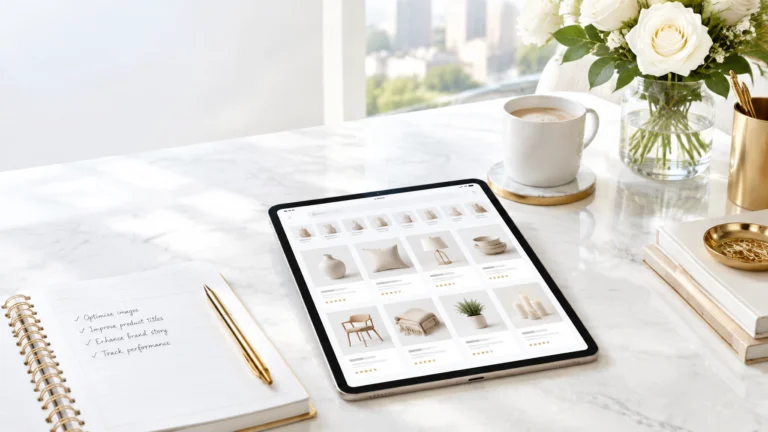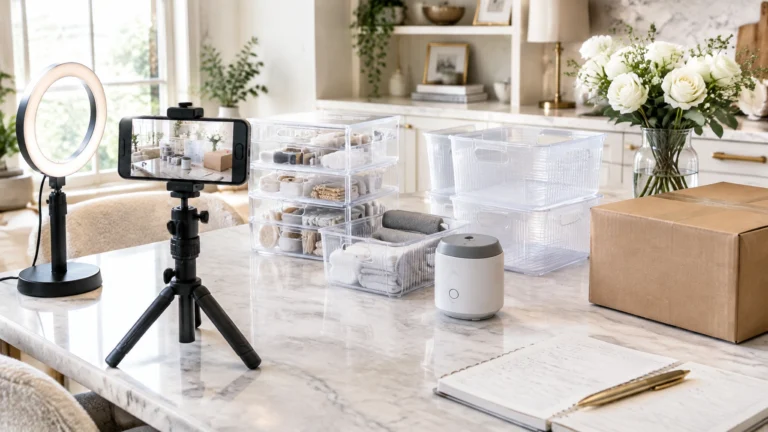
The Amazon Storefront Blueprint: Turning Passive Scrolling into Consistent Income
Stop treating your Amazon Storefront like a digital junk drawer.
Most creators treat their storefront as an afterthought: a link they toss in a bio and hope someone clicks. That’s not a business; that’s a wish. If you want to move from "occasional commission" to "consistent revenue machine," you have to stop thinking like a poster and start thinking like a curator.
The goal isn't just to get people to your page. The goal is to keep them there until they hit "Add to Cart." This is about the Lived-In Luxury philosophy: creating a space that feels high-end and aspirational, but stays rooted in the practical, everyday needs of your audience.

The Architecture of a High-Conversion Storefront
Think of your storefront as a physical boutique. If a customer walks in and sees clothes on the floor and no price tags, they’re leaving. Your digital storefront needs a logical flow.
Don't just list products; create a Customer Journey. Amazon allows you to build up to three levels of subpages. Use them. If you’re into home organization, don't just have an "Organization" tab. Break it down into "Kitchen Systems," "The Linen Closet Reset," and "Entryway Essentials."
When you narrow the focus, you reduce decision fatigue. A confused shopper never buys. A guided shopper fills their cart.
Mobile-First is the Only Way
Here is a reality check: 70% of your traffic is coming from someone holding a phone, probably while they’re waiting in the carpool lane or laying in bed. If your storefront only looks good on a 27-inch iMac, you’re losing money.
The Scroll Strategy:
- Top of Page: High-impact video or your most "viral" item. Catch the eye in 0.5 seconds.
- The Middle: Best-sellers with clear, bold pricing. People want to know what everyone else is buying.
- The Bottom: Seasonal banners or "Long-Tail" items.
Optimize for the "F-Pattern." Most mobile users scan the top and left side of the screen first. Place your highest-margin or most-requested items in those "hot zones."
The Metrics That Actually Matter
If you aren't looking at your Seller Central data, you're flying blind. It’s easy to get distracted by "Follower Count," but that’s a vanity metric. To build true authority, look at these three numbers:
- Dwell Time: If people are leaving in under 30 seconds, your page is too cluttered or your images are boring. Aim for a dwell time of over 1 minute.
- Bounce Rate: If your bounce rate is over 50%, your "Hook" (the link they clicked to get there) doesn't match the "Destination."
- Views per Visitor: A high-performing hub gets visitors to click through at least 3 subpages.
Curation: The Secret Sauce of "Lived-In Luxury"
"Lived-In Luxury" isn't about being perfect; it's about being curated. Your audience wants to know that you’ve actually used these items in your real life.
Stop using the stock Amazon photos. They’re cold, white-washed, and lack personality. Use original photography that shows the product in a real environment. A candle shouldn't just be a jar against a white background; it should be styled on a textured tray with a copper accent and a hint of greenery.
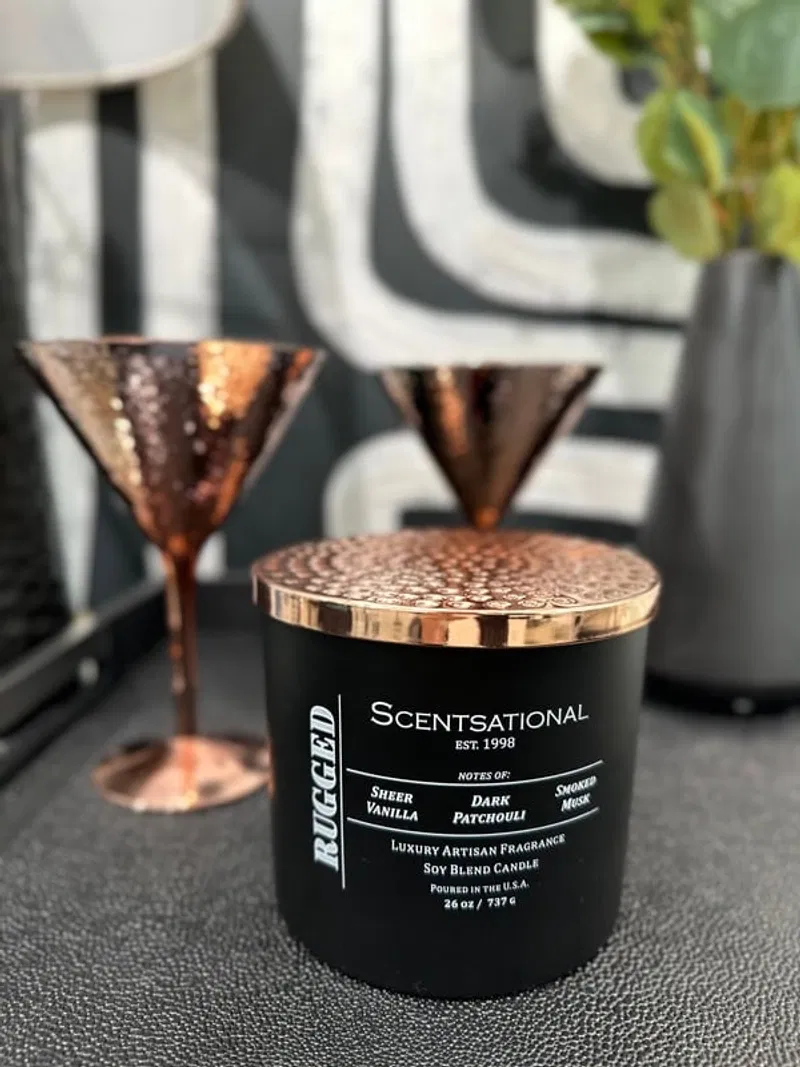
This creates a "vibe" that people want to replicate. When they buy the candle, they aren't just buying wax; they’re buying the feeling of a sophisticated, calm home. That’s how you build authority. You aren't just a seller; you're a tastemaker.
Leveraging Amazon Live for Real-Time Authority
If you want to fast-track your trust-building, get on Amazon Live. This is where the "Passive" becomes "Active."
Live sessions allow you to answer the questions that stop people from buying. "Is the material scratchy?" "Does it fit true to size?" "How do you set it up?" By answering these in real-time, you remove the barriers to purchase.

Pro Tip: Use your Live sessions to highlight the "Systems" in your life. Don't just show a vacuum; show how that vacuum fits into your 15-minute morning reset. People buy solutions, not features.
The 5-Step Execution Checklist
Ready to overhaul your hub? Follow this workflow:
- Audit Your Links: Go to ktmillionaire.com and ensure every social bio points directly to a specific, themed collection: not just a generic home page.
- Nuke the Clutter: Delete any collections that haven't seen a click in 30 days. Less is more.
- Update Your Imagery: Replace at least 5 stock photos with high-quality, "Lived-In Luxury" style original shots this week.
- Create a "New Arrivals" Subpage: Keep the content fresh so repeat visitors always have something new to discover.
- Check Your Stats: Log into your dashboard and identify your top 3 products. Move them to the very top of your storefront.
The Longevity Play
Building an authority hub isn't a "set it and forget it" project. It’s a living document of your brand. As the market shifts: from TikTok Shop trends to seasonal Amazon hauls: your storefront must evolve.
But the foundation remains the same: Structure, Systems, and Style.

When you provide value through curation, you stop chasing the next viral video and start building a loyal community that trusts your recommendations. You aren't just helping them shop; you're helping them curate a life they love.
Now, go get into your dashboard and start building. The revenue is in the details.
Stop scrolling. Start systemizing. Your future self (and your bank account) will thank you.