Your Quick-Start Guide to Affiliate Systems: Do This First to Build a Passive Income Stream
Most creators approach affiliate marketing like a game of chance. They post a few "Amazon finds" on a random Tuesday, link a product in a story that disappears in 24 hours, and then wonder why their monthly commission check looks like spare change.
The problem is not the products or the audience; it is the lack of a repeatable system. Random posting creates random results. To generate consistent, passive revenue, you must stop being a "poster" and start being an architect. You need a structured affiliate system that works while you sleep, utilizing high-converting assets like shoppable videos and a meticulously curated Amazon storefront influencer page.
This guide outlines the exact steps to move from sporadic clicks to a scalable income stream. Do these things first to build a foundation that actually converts.
Step 1: Conduct a Radical Inventory Audit
Stop looking for the "next big thing" to promote and look around your home. The most successful affiliate content comes from products you actually use, trust, and can demonstrate with authority.
The Strategy:
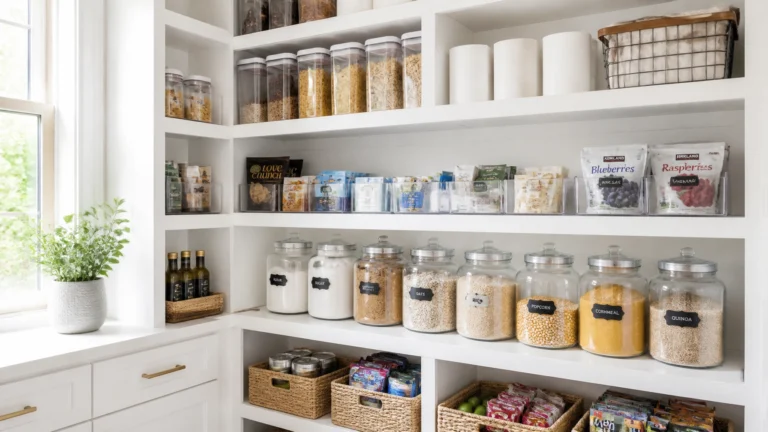
Identify 30 to 50 items you already own that are currently sold on Amazon. Focus on categories with high buyer intent, such as home organization ideas, kitchen gadgets, or office tech. These are evergreen products that solve specific problems for your audience.
The Execution:
- Use the Amazon App Scanner: Open the Amazon app on your phone, tap the camera icon in the search bar, and scan the barcodes of items in your pantry, office, and closet.
- Verify Availability: Ensure the items are currently in stock and have at least a 4-star rating with significant reviews. Promoting low-rated items damages your credibility and kills conversion rates.
- Categorize Your Finds: Group these items into logical collections. Instead of a generic list, think "The Ultimate Small Kitchen Workflow" or "Morning Routine Essentials."
By starting with what you own, you eliminate the overhead of buying new products and ensure your recommendations are grounded in real-world experience.

Step 2: Master the Shoppable Video Framework
The Amazon Influencer Program’s "Onsite Commissions" are the closest thing to true passive income in the creator economy. Once your shoppable videos are approved and placed on a product page, they can earn commissions 24/7 from traffic Amazon is already providing.
However, the approval process is strict. To ensure your videos get placed and stay there, follow this high-conversion framework:
1. The Hook (0-5 Seconds):
Show the product immediately. State clearly what problem it solves. Do not waste time with long introductions.
Example: "If your pantry is a mess, these airtight containers are the only system that actually works."
2. The Practical Demo (6-45 Seconds):
Physically demonstrate the product in use. If it’s a kitchen tool, use it. If it’s a home organization system, show it being installed. Amazon favors "real-life" usage over polished, commercial-style shots. Use landscape (horizontal) orientation for the best placement on desktop product pages.
3. The Honest Assessment (46-60 Seconds):
List one thing you love and one minor "good to know" (avoid calling it a negative). This builds immense trust with the shopper.
4. The Close:
End with a direct recommendation.
Note: Never mention specific prices, shipping times, or external social media handles. Doing so is a fast track to video rejection.

Step 3: Architect Your Amazon Storefront for Conversion
Your Amazon storefront influencer page is your digital headquarters. If it looks like a junk drawer, your conversion rates will suffer. Treat it like a high-end boutique.
Actionable Cleanup:
- Create Themed Idea Lists: Instead of one giant "Favorites" list, create specific, searchable categories. Use keywords your audience actually searches for, like "Back to School Organization" or "Minimalist Office Decor."
- Use High-Quality Custom Header Imagery: Replace generic banners with a professional, branded header that establishes your authority.
- Pin Your Best Performers: Move your highest-converting lists to the top of your storefront. Data should drive your design, not just aesthetics.
When a shopper lands on your storefront, they should immediately understand who you are and what problems you help them solve. Clarity leads to confidence, and confidence leads to a sale.
Step 4: Build the Distribution Loop
An affiliate system is only as strong as the traffic feeding it. While Amazon provides onsite traffic for your shoppable videos, you must layer on off-site traffic to maximize your reach.
The Pinterest Power-Play:
Pinterest is a search engine, not just a social network. It is the perfect vehicle for home organization ideas and product discovery.
- Take a high-quality photo or a vertical snippet of your shoppable video.
- Create a Pin with a keyword-rich title (e.g., "5 Best Amazon Finds for a Tidy Pantry").
- Link the Pin directly to your Amazon Idea List or a specific product through your affiliate link.
This creates a self-sustaining loop. Your short-form videos on TikTok or Reels drive traffic to your storefront, while your Pinterest pins provide long-term searchability for your favorite products.

Quantifying the Results: The Power of the System
Building an affiliate system requires an upfront investment of time, but the return on effort is significant compared to traditional influencer posting.
- Conversion Rate: Standard social media swipe-ups often see a conversion rate of 1-2%. In contrast, high-quality shoppable videos on Amazon product pages often convert at 5-10% because you are reaching shoppers exactly when they are ready to buy.
- Time Efficiency: By batch-recording 10 videos in one afternoon using the framework above, you create 10 evergreen assets that can generate commissions for months: or even years: without additional work.
- Income Diversification: A structured system allows you to earn from three distinct sources simultaneously: Amazon Onsite Commissions, Amazon Associates (off-site links), and potential brand deals from sellers who see your high-performing videos on their listings.
Build Your Revenue Engine Today
Stop waiting for a viral moment and start building a repeatable process. The creators who thrive in 2026 and beyond are those who treat their content as a business asset. By auditing your inventory, mastering the shoppable video format, and optimizing your distribution, you move from a state of "hoping for clicks" to "managing a system."
Your Immediate Action Plan:
- Identify 5 products in your home right now that solve a problem.
- Record one landscape video for each using the Hook-Demo-Assessment framework.
- Upload them to your Amazon Influencer Hub and monitor the "Video Management" tab for approval.
Success in affiliate marketing isn't about the size of your following; it's about the strength of your system. Get started now.
If you are ready to take your strategy further, explore our full range of creator resources to help you scale your digital income.