Why Shoppable Videos Will Change the Way You Manage Your Affiliate Systems in 2026
The era of "Link in Bio" is effectively over. In 2026, if you are still asking your audience to click a link, navigate to a landing page, find a product, and then checkout, you are losing money. The friction in that journey is a conversion killer.
The industry has shifted. Today, the most successful amazon storefront influencers aren’t just curators; they are media publishers leveraging integrated shoppable technology. Shoppable videos have moved from an experimental feature to the backbone of high-performance affiliate systems.
If you want to scale your revenue this year, you need to understand why this technology is mandatory and how to rebuild your systems to support it.
The Friction Problem: Why Traditional Links Are Failing
For years, the standard affiliate workflow was simple: post a photo, drop a link, and hope for the best. But consumer behavior has changed.
The Problem: Traditional affiliate links create a disjointed user experience. Every click that takes a user away from their current app is a "bounce" opportunity. Research shows that 81% of consumers have purchased a product after watching a video, but that number drops significantly when the checkout process requires multiple steps across different platforms.
The Solution: Shoppable videos collapse the entire marketing funnel into a single piece of content. By integrating the checkout or product discovery directly into the video feed, you remove the "choice fatigue" that kills sales. In 2026, shoppable videos allow viewers to tap, browse, and buy within seconds without ever leaving the player.
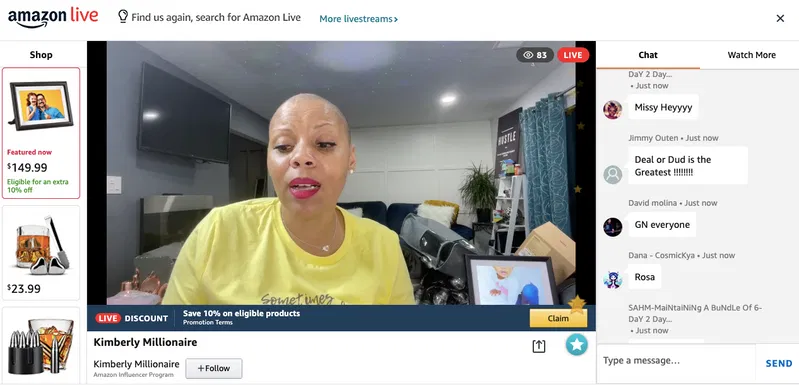
Precision Tracking: Moving Beyond the "Click"
One of the biggest changes in 2026 is how we measure success. In the past, we relied on blunt metrics like "Total Clicks" and "Conversion Rate." While these are helpful, they don't tell the whole story.
Modern shoppable video platforms provide granular interaction data. You can now track:
- Exactly which second of the video prompted a product click.
- How many times a specific product was viewed within a multi-product "Amazon haul."
- The "dwell time" on specific product tags.
This data allows you to optimize your content with surgical precision. If you notice viewers are dropping off during your home organization ideas segment but spiking during the amazon finds kitchen gadgets reveal, you know exactly how to edit your next video for maximum retention.
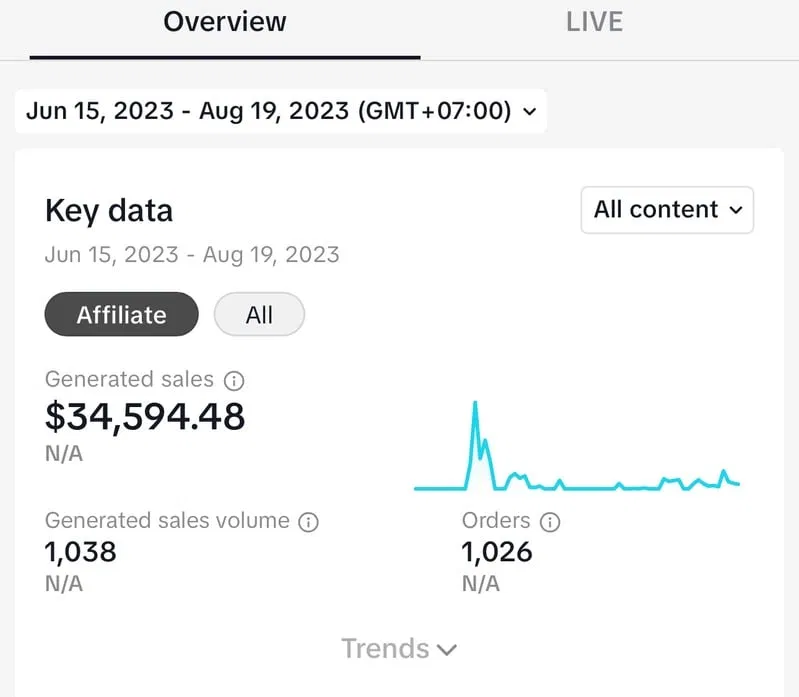
Look at the results above. This isn't luck; it’s the result of a structured content system. By using shoppable media, you can see steady, predictable growth because you are making decisions based on interaction data, not just vibes.
AI-Powered Automation in Your Affiliate Workflow
Managing a high-volume affiliate business used to be a manual nightmare. Tagging products, updating out-of-stock links, and syncing storefronts took hours.
In 2026, shoppable video systems are largely automated via AI.
- Auto-Tagging: AI visual recognition identifies the products in your video: whether it's a specific pink sweatshirt or a set of clear acrylic bins: and automatically generates the shoppable tags.
- Dynamic Stock Updates: If an item from your amazon storefront influencer page goes out of stock, the shoppable tag in your video can automatically suggest a "similar item" or update the link in real-time.
- Multi-Platform Sync: You record once, and the system deploys the shoppable version to your blog, your Amazon storefront, and your social channels simultaneously.

Actionable Strategy: Building Your Shoppable Video Framework
To move from a "link-based" creator to a "system-based" influencer, follow this 2026 framework for your next home organization ideas or lifestyle post.
1. The "Hook-Problem-Value" Structure
Every shoppable video must follow a specific script format to convert.
- The Hook (0-3 seconds): Show the end result. (e.g., "How I organized my entire pantry for under $50.")
- The Problem (4-10 seconds): Show the mess or the pain point.
- The Value/Solution (11-45 seconds): Demonstrate the products in action. This is where your shoppable tags live.
- The CTA (46-60 seconds): Direct them to the "Tap to Shop" icon on the screen.
2. Curate for Intent
Don't just film everything. Curate your content based on high-intent categories. Home organization and fashion finds are historically high-converters because they solve immediate visual problems.

3. Implement Multi-Retailer Tracking
While Amazon is the giant, 2026 affiliate systems allow you to track intent across multiple retailers. Use platforms like Mikmak or Swirl to see if your audience prefers buying your amazon finds directly on Amazon or through other integrated retailers. This data is gold when negotiating brand deals.
The Financial Impact: Quantifying the Shift
Why does this matter for your bottom line? The math is simple.
- Traditional Link Conversion: ~1-3%
- Shoppable Video Conversion: ~5-12%
By reducing the number of clicks required to make a purchase, you are effectively doubling or tripling your revenue without increasing your traffic. If you are generating $10,000 a month in affiliate sales using old-school links, switching to a shoppable video system could potentially move that needle to $25,000 or more with the same audience size.
The Role of the Influencer Ecosystem
Success in 2026 isn't just about the technology; it's about how that technology fits into your broader business ecosystem. You need a synergy between your brand partners, your content creation, and your backend systems.

At Kimberly Millionaire, we focus on these six pillars of influencer marketing. Shoppable video is the "engine" that drives the monetization pillar. When your content is authentically integrated with your systems, you stop "selling" and start "solving."
Future-Proofing Your Business
The shift to shoppable video is a permanent change in the digital landscape. As platforms like TikTok, YouTube, and Amazon continue to prioritize "in-app checkout," the creators who master these tools will dominate the market.
Stop managing links and start managing experiences.
If you want to stay ahead of the curve:
- Audit your current content: Which of your top-performing posts could be turned into a shoppable video?
- Update your tech stack: Look into platforms that offer AI tagging and direct-to-checkout integrations.
- Refine your aesthetic: Use high-quality, authentic product demonstrations rather than overly polished commercials.
The tools are here. The data is clear. It’s time to upgrade your affiliate systems for the 2026 economy.
Ready to scale your influencer business? Start by optimizing your Amazon Storefront today and embrace the power of shoppable media. Let’s get to work.