The Proven Shoppable Videos Framework: How to Turn 60-Second Clips into Consistent Commission
Creating content is easy. Creating content that converts is a science. Most influencers spend hours editing "aesthetic" clips that generate thousands of views but exactly zero dollars in commission. If you are tired of the "post and pray" strategy, you need a framework that moves the needle.
The rise of the amazon storefront influencer has changed the game. It is no longer about being a celebrity; it is about being a solution provider. Whether you are showcasing home organization ideas or the latest amazon finds, your video must function as a mini-sales funnel.
To turn 60-second clips into consistent commission, stop focusing on vanity metrics and start focusing on the Shoppable Video Framework.
The Problem: The "Lifestyle" Trap
Most creators fall into the trap of making beautiful videos that lack a clear purpose. You show a gorgeous kitchen, a quick transition, and some trending audio. Your followers comment "so cute!" and then they keep scrolling.
The problem is a lack of friction-free commerce. If a viewer has to leave your video, go to your profile, click a link, find a category, and then find the product, you have already lost them. To fix this, you must transform your content from passive entertainment into an active shopping experience.
The Solution: The 60-Second Shoppable Framework
This framework is designed to grab attention, prove value, and provide a direct path to purchase in under one minute. It breaks down into three distinct phases: The Hook, The Value, and The Frictionless CTA.
Phase 1: The 3-Second Hook (0-3 Seconds)
You have three seconds to stop the scroll. Do not start with "Hey guys, welcome back to my channel." That is wasted time. Instead, start with the result.
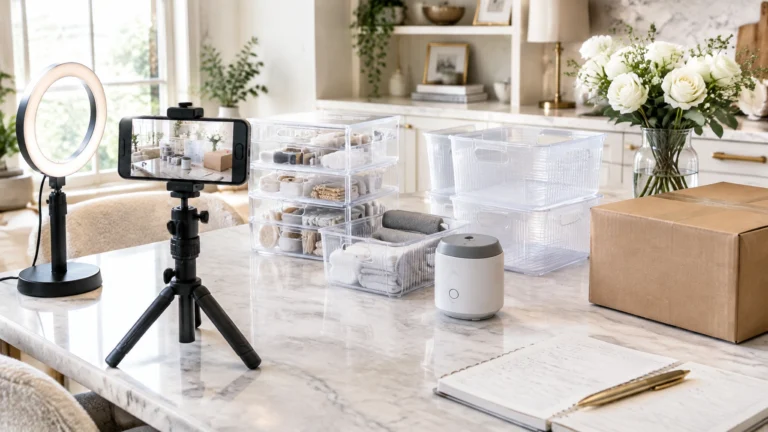
Show the "Before and After" of a messy pantry using home organization ideas. Show the "Problem" being solved immediately. Use a visual hook like holding the product directly to the camera or showing a specific pain point (e.g., a tangled drawer of charging cables).
Pro Tip: Use on-screen text that identifies the specific audience. "Amazon Finds for Small Kitchens" or "The secret to an organized closet" works better than generic titles.
Phase 2: The Value Demonstration (3-50 Seconds)
This is where you build the "why." Don't just list features; solve a problem. If you are featuring a label maker, don't just say it prints labels. Show how it turned a chaotic spice rack into a streamlined system.
In this phase, you should:
- Highlight the Transformation: Show the product in use. Real-life application beats a professional studio shot every time.
- Address Objections: Is it easy to install? Is it durable? Answer these questions visually.
- Use Native Tools: If you are on a platform that allows interactive tagging, use it. Point to the "tap-to-shop" icon within the video itself.
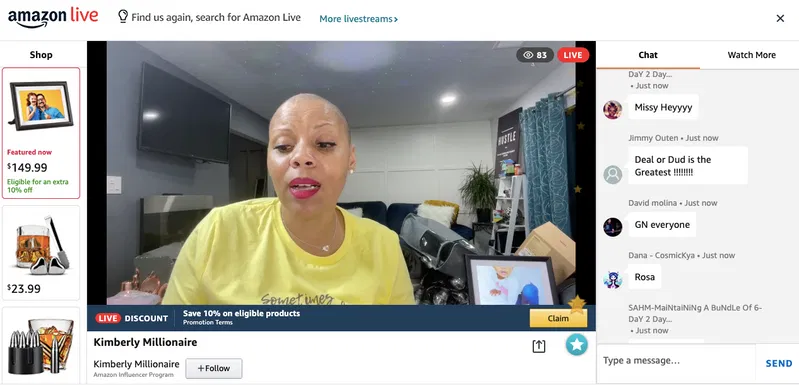
Phase 3: The Frictionless CTA (50-60 Seconds)
Never end a video without telling the viewer exactly what to do next. Your Call to Action (CTA) must be specific. Instead of "Link in bio," use "Find this under 'Kitchen Favorites' on my Amazon Storefront."
Highlight any current promotions or limited-time deals. Scarcity and urgency drive conversions. If the product is an "Amazon Choice" or has 10,000+ five-star reviews, mention that. Social proof is a powerful closer.
Quantifying Your Success: Data-Driven Content
The beauty of the shoppable videos model is that it is measurable. You are not guessing if your content works; the data tells the story.
When you follow a structured framework, you see a shift from "high views/low sales" to "targeted views/high sales." Look at the dashboard below. This is what happens when content is curated for conversion rather than just reach.
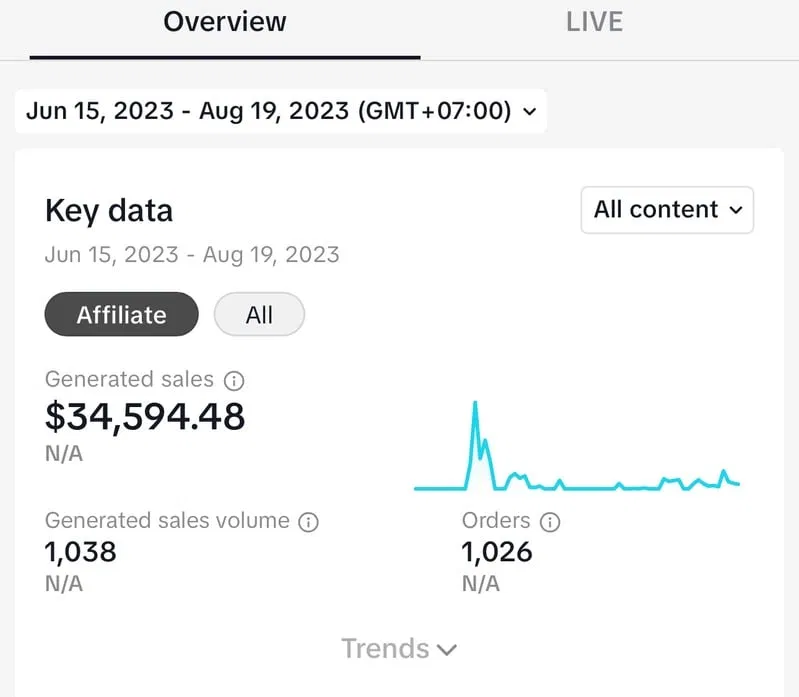
By analyzing which videos drive the most "orders," you can identify your "top-converting SKUs." If your home organization ideas are driving 80% of your commission, double down on that niche. Content creation is a business, and data is your CEO.
Strategic Product Selection (SKUs)
Not every product is meant for a shoppable video. To maximize your commission, you need to be selective. Focus on products that meet these three criteria:
- Highly Visual: The benefit must be obvious on camera.
- Problem-Solving: It addresses a common frustration (e.g., clutter, time-management, style gaps).
- High Velocity: Choose items with a high volume of reviews and consistent stock on Amazon.

Optimizing Your Amazon Storefront
Your videos are the "ads," but your amazon storefront influencer page is the "landing page." If your storefront is a mess, your conversion rate will crater.
Organize your storefront into clear, themed "Idea Lists."
- "As Seen on TikTok/Reels"
- "Daily Home Organization"
- "Budget-Friendly Amazon Finds"
When a viewer clicks through from your video, they should be able to find the exact product within two clicks. Use high-quality, authentic lifestyle imagery for your list covers. Avoid using stock photos; use photos of the products in your own home to maintain that "authentic expert" tone.

Step-by-Step Workflow for Your Next Clip
Follow these steps for your next piece of content to ensure it is optimized for commission:
- Identify the Product: Pick an item you use daily that solves a specific problem.
- Script the Hook: Write out the first 3 seconds. What is the "big reveal" or "big problem"?
- Film the Process: Record yourself using the product. Keep the lighting bright and the background clean (but lived-in).
- Edit for Momentum: Remove any dead air. Every second must serve a purpose.
- Tag and Link: Use the native tagging tools of the platform. Ensure the link leads directly to the product or a specific Idea List on your storefront.
- Monitor the Analytics: After 48 hours, check your affiliate dashboard. Did this lead to "shipped items" or just "clicks"? Adjust your next video based on these results.
Why This Framework Works
This system works because it respects the viewer's time and intelligence. You aren't "selling" them; you are helping them. By providing a clear solution and a frictionless way to acquire it, you build trust.
Trust leads to repeat shoppers. When a follower buys an amazon find based on your recommendation and it actually improves their life, they will come back to your storefront the next time they need a solution.
Final Thoughts
Consistency is the engine of the influencer economy. One viral video is a fluke; a framework that produces consistent sales is a business. Whether you are focused on home organization ideas or fashion, the rules remain the same: Hook them, show them the value, and make it incredibly easy for them to buy.
Stop overthinking the production value and start focusing on the structure. Your audience is looking for solutions: be the one to provide them.
Start your next shoppable video today. Use this framework, tag your products correctly, and watch your commission dashboard grow.
Visit ktmillionaire.com for more strategies on scaling your influencer business and mastering the Amazon ecosystem.