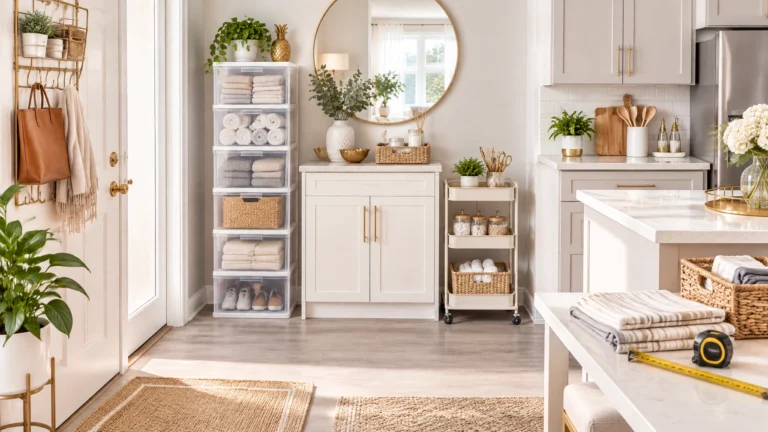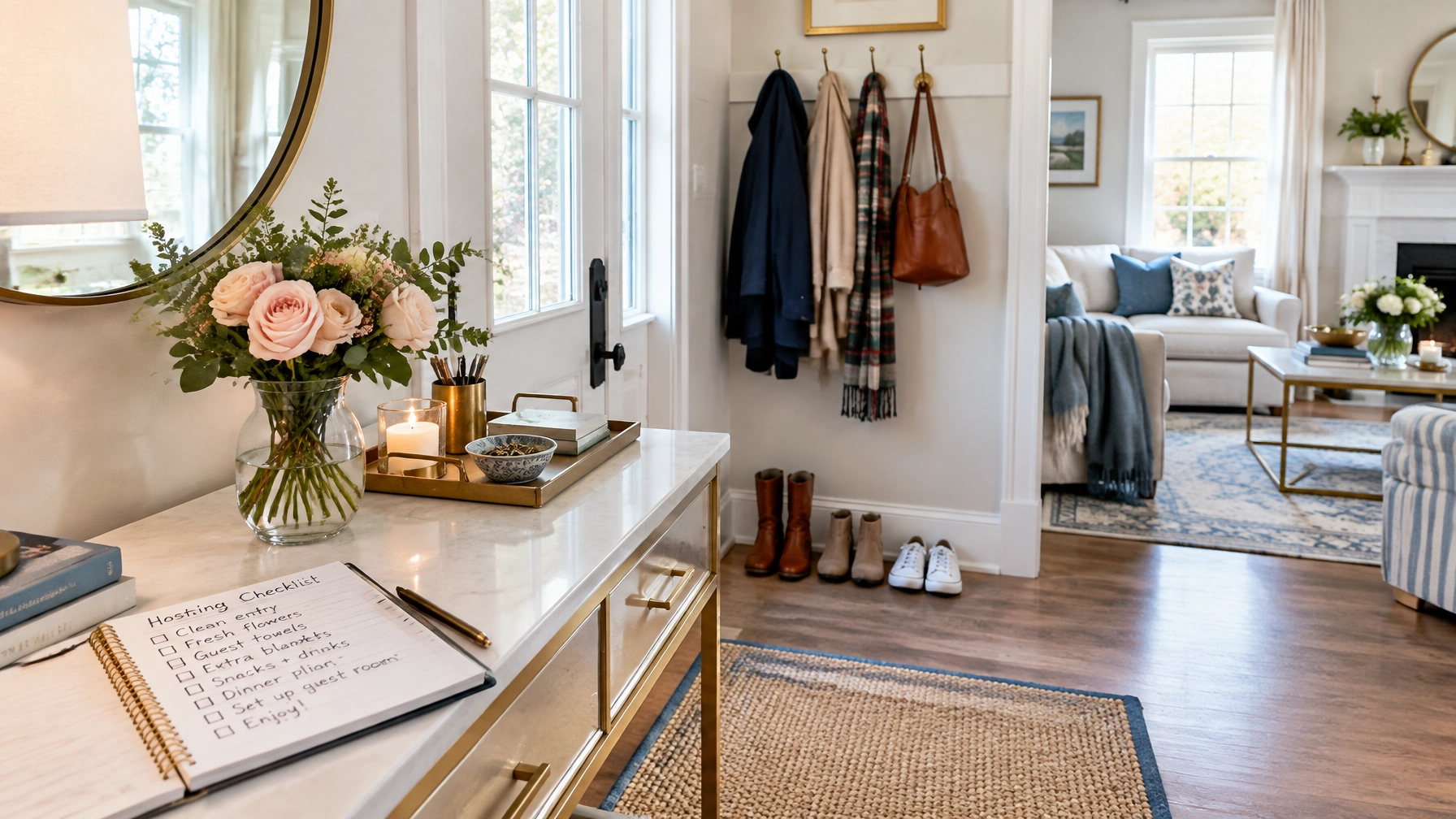
The Guest-Ready Home System: A Weekend Plan That Preps Your Holiday Hosting Zones With Amazon Finds
By early November, holiday hosting can start to feel like a deadline. The bathroom needs attention. The guest towels are hard to find. The coffee supplies are scattered. Then, a few days before guests arrive, the rushed cleaning and last-minute shopping begin.
The problem isn’t that every room needs a makeover. It’s that a few high-impact areas aren’t ready when you need them. That’s where a simple system helps.
Use one weekend to prepare four hosting zones, identify the two that need the most attention, and make one focused supply order. Then keep the home guest-ready with a 10-minute daily reset during hosting week.
The Guest-Ready Home System at a glance
Plan on two 90-minute sessions and two focused 45-minute work blocks:
- Saturday, Session 1: Walk four hosting zones, score them, and make a short supply list.
- Saturday, Work Block 1: Check what you already own, measure for any needed organizers, and place one batched order.
- Sunday, Session 2: Reset the two lowest-scoring zones.
- Sunday, Work Block 2: Finish staging essentials, label storage, and test the guest setup.
This approach is designed to replace unfocused cleaning with practical preparation. Hosting advice from Airbnb’s resource center similarly emphasizes guest comfort and making essentials easy to find. Start with the areas guests are most likely to use, not every drawer in the house.
Saturday, Session 1: Score four hosting zones
Set a 90-minute timer. Walk through these four areas:
- Guest bathroom: Are clean hand towels, soap, toilet paper, and basic essentials easy to find?
- Entry or landing zone: Is there a clear place for coats, shoes, bags, or gifts?
- Kitchen coffee-and-snack station: Can guests find mugs, coffee or tea, water, and a snack without searching?
- Linen or storage closet: Can you quickly locate guest towels, sheets, blankets, and spare toiletries?
Score each zone from 1 to 5:
- 1: Not ready. Supplies are missing or difficult to locate.
- 3: Usable, but clutter or gaps could cause extra work.
- 5: Clear, stocked, and easy for guests, or another household member, to use.
Choose the two lowest-scoring zones for your weekend reset. Don’t add a third just because you notice it. A clear priority keeps the plan manageable.
As you walk, make two notes for each zone: what it genuinely needs, and what you already have in duplicate. This quick inventory can prevent buying another basket, towel set, or storage bin when a useful one is already tucked away.
Saturday, Work Block 1: Make one short checklist and one order
Create a one-page checklist with 10–15 items maximum. Include only missing or worn-out essentials. A sample list might include:
- Guest towel set
- Hand soap refill
- Extra toilet paper
- Over-door hooks
- Landing-zone tray
- Coffee-station drawer organizer
- Labeled linen bins
- Expandable under-sink shelf
- Coffee, tea, or guest snacks
- Fresh batteries for a night-light, if needed
Your list will depend on your home. Don’t treat it as a shopping assignment. Treat it as a gap check.
Measure shelves, drawers, and under-sink space before ordering organizers. Check product dimensions and reviews, and compare them with the items you already own. Then place one batched order for the actual gaps. Browsing for every small item separately can consume roughly 1–2 hours through repeated searches, cart updates, and delivery checks. One planned order helps limit that piecemeal effort and reduces the chance of duplicate purchases.
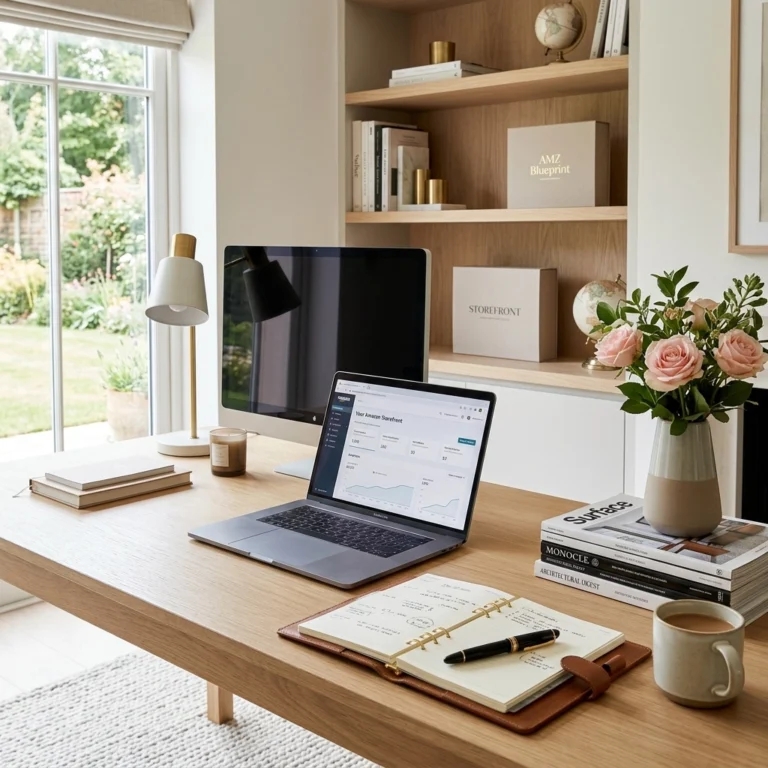
For practical product ideas, browse Amazon storefront collections. Look for useful categories (such as a tray for the entry, a drawer organizer for coffee supplies, or labeled bins for linens) rather than buying products just to fill a space.
Sunday, Session 2: Reset only the two weakest zones
Use the second 90-minute session to work on the two lowest-scoring areas. Keep the sequence simple:
- Clear the surface or shelf. Remove items that don’t belong in the zone.
- Group by category. Put guest towels together, coffee supplies together, and entry items together.
- Contain what tends to spread. Use an organizer, tray, or bin only where it solves a visible problem.
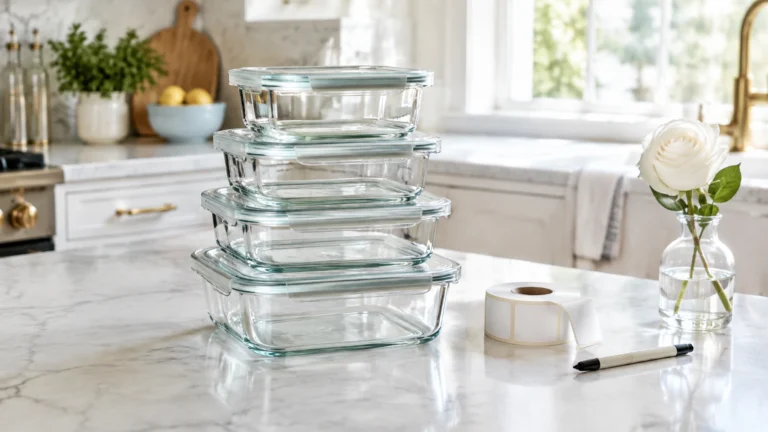
- Label stored essentials. Make the contents clear to you and anyone helping.
- Stage the items guests will need first. Put hand towels and soap in sight. Keep coffee supplies easy to reach. Leave the entry landing area open.
Aim for function before decoration. A guest bathroom needs clean towels and obvious essentials more than extra styling. A coffee station needs a workable setup more than a long row of accessories.

Guest bathroom: make essentials obvious
Clear the counter and group the supplies you want guests to use. Put out fresh hand towels, refill soap, and make extra toilet paper easy to spot. If you use an expandable under-sink shelf, check that it fits around the plumbing and leaves everyday items accessible.
Entry zone: create one landing place
Clear a section of the console, bench, or shelf. Add a tray for keys or small items, and make coat hooks available. Over-door hooks can be useful when closet space is limited. Keep the walking path open so bags and shoes don’t become obstacles.
Coffee station: make self-service simple
Group mugs, coffee or tea, sweeteners, and spoons in one defined area. Use a drawer organizer or small tray to contain loose items. Add a water carafe if that suits your routine. If the machine has a particular setup, leave a short instruction note where guests can see it.

Linen closet: store guest supplies together
Put guest towels, sheets, and blankets in clearly defined groups. Use labeled bins if they help keep stacks from shifting or make supplies easier to find. Keep the most frequently used guest items at a comfortable height. A useful organizing principle: store related things together, then make the category easy to recognize.
For more room-by-room inspiration, see The Spruce’s holiday planning checklist. Adapt any checklist to your guests, home, and existing supplies.

Sunday, Work Block 2: Test the setup and finish the details
Use this 45-minute block to check your work instead of starting another organizing project. Walk through each reset zone as if you were arriving as a guest.
Can you find a towel without opening several cabinets? Is there somewhere to set down a bag near the entrance? Can someone make coffee without moving five items first? Do the linen labels match what’s inside?
Fix the small friction points. Put a missing item on your checklist only if it’s truly needed. If one zone needs deeper decluttering, add one extra 30-minute block rather than rushing through the whole closet or cabinet.
Hosting week: use a 10-minute daily reset
Instead of saving every task for a 2–3-hour pre-guest panic clean, assign one zone per day, Monday through Thursday:
- Monday: Entry. Clear the landing area and free coat hooks.
- Tuesday: Guest bathroom. Refill soap and toilet paper; put out fresh towels.
- Wednesday: Kitchen station. Restock coffee, tea, water, and snacks.
- Thursday: Linen and storage check. Confirm guest bedding and towels are ready.
Set a 10-minute timer for each pass. Focus on restoring the setup, not deep-cleaning the home. Add a final sweep of visible areas before guests arrive, based on what your home needs.
What you can reasonably expect
Use these as targets to test, not guarantees. A 90-minute walkthrough can help you identify the two weakest hosting zones instead of spending hours cleaning without a clear priority. One batched order may save roughly 1–2 hours compared with piecemeal shopping and can reduce duplicate buys. A 10-minute daily reset can replace a 2–3-hour last-minute clean when the main hosting zones are already prepared.
Taken together, the system aims to reduce reactive work by an estimated 4–5 hours compared with a scramble approach that includes scattered shopping, searching for supplies, and rushed cleaning. Track your actual time this season to see how the estimate compares with your household. Results vary by home size and starting point. Organizing products can make the setup easier to maintain, but consistent habits carry the system.
For optional creator inspiration, film one short clip of each finished zone using your phone and natural light. Show how the space works in real life: where towels go, how coffee supplies are grouped, or how a tray keeps the entry clear. Add the clips to relevant collections as shoppable videos in an Amazon storefront. This can give your followers a practical look at the setup, and create evergreen hosting content to revisit next season.
Start this weekend. Walk the four zones, score them honestly, and reset the two that need attention most. For more practical recommendations and everyday product ideas, visit ktmillionaire.com.