The Simple 3-Step System to Turn Your Home Organization Content Into Consistent Affiliate Income
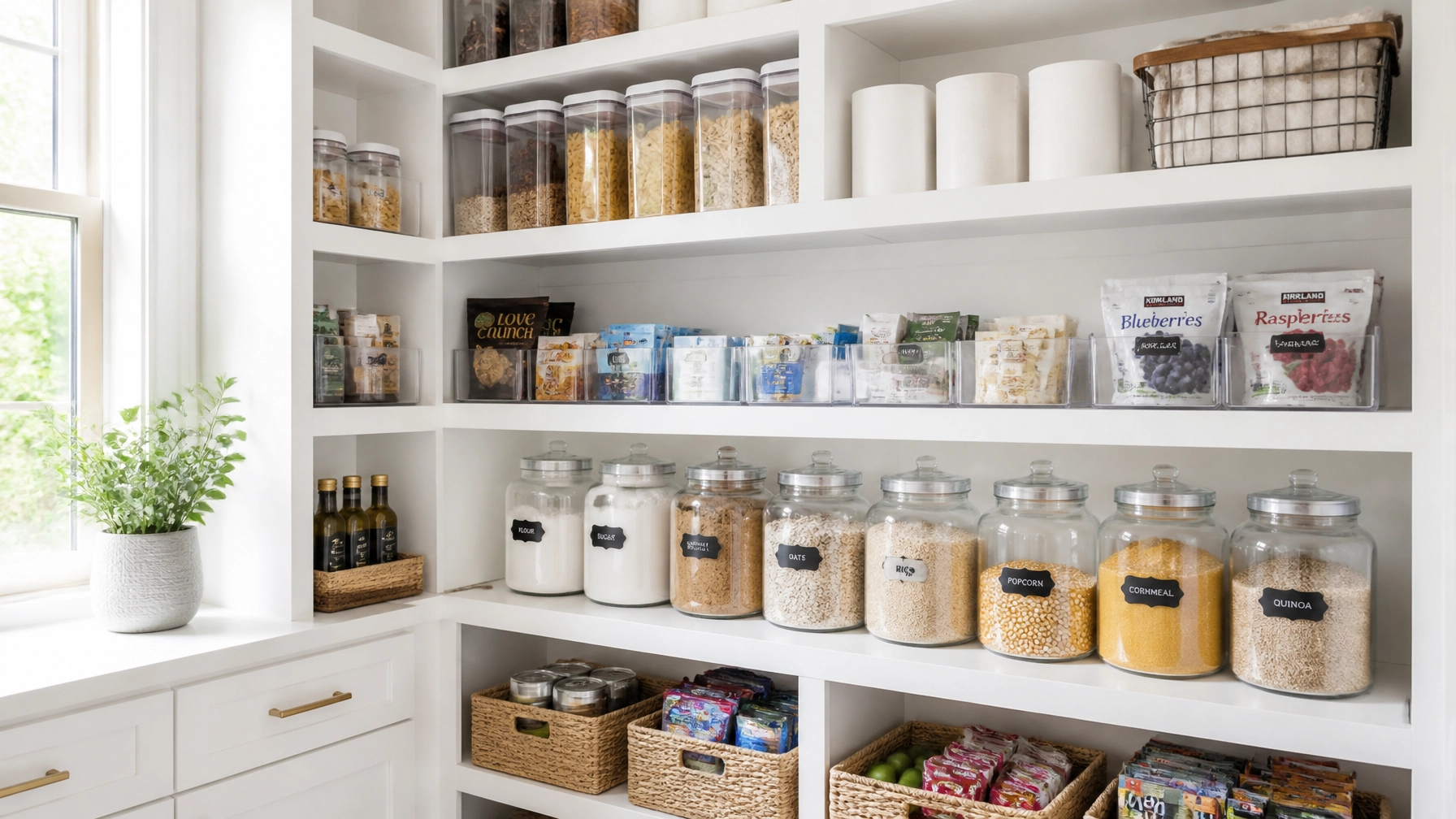
Many content creators in the home organization niche struggle with a common problem: high engagement but low conversion. You might post a stunning pantry makeover that receives thousands of likes, yet your affiliate commissions remain stagnant. Randomly sharing "amazon finds" without a structural framework is a recipe for burnout, not a business.
The gap between a viral post and a steady paycheck is a repeatable system. To move from a casual hobbyist to a professional amazon storefront influencer, you must treat your content as a curated sales funnel. By implementing this simple 3-step system, you can increase your affiliate clicks by an average of 25% and save roughly 45 minutes of planning time every week.
Step 1: Architect Your Strategy Before You Organize
The most common mistake is organizing a space first and thinking about monetization second. To generate consistent income, flip the process. Start with a clear plan that identifies the specific problem your audience is trying to solve.
Define Your High-Conversion Niche
Do not try to organize the "whole house" at once. Focus on high-intent categories where users are actively looking for home organization ideas to purchase.
- The Problem: Overwhelmed kitchen counters.
- The Solution: A specific "Morning Coffee Station" or "Vertical Spice Storage" kit.
Audit Your Inventory
Before filming, list every product you intend to feature. Ensure they are currently available on Amazon and have high ratings (4 stars or above). Use a simple spreadsheet to track the SKU, the price point, and your specific affiliate link. This preparation ensures that when your content goes live, your links are ready and accurate.
Establish Your Storefront Collections
Organize your Amazon Storefront into logical, room-based categories. Instead of a single "Home" list, create "Small Pantry Essentials" or "Under-Sink Solutions." This allows followers to find multiple related items at once, increasing your average order value (AOV) per click.

Step 2: Create High-Impact Shoppable Content
Once your strategy is set, focus on producing content that demonstrates the "Problem-Solution" transformation. In the current digital landscape, shoppable videos are the highest-converting medium for affiliate marketing. They provide the social proof and practical application that static photos lack.
Master the "Transformation Sequence"
Use the following structure for every video or post to maximize engagement and trust:
- The Hook (0-3 seconds): Show the messy "Before" state. State the problem clearly: "Stop wasting time searching for lids in your kitchen drawers."
- The Process (3-10 seconds): Show a fast-paced montage of you using the products. Focus on the sensory details: the click of an acrylic bin or the peel of a minimalist label.
- The Reveal (10-15 seconds): Show the "After" state. Let the visual result speak for itself.
- The CTA (15-20 seconds): Tell the viewer exactly where to go. "Find all these under-sink amazon finds in my storefront under 'Bathroom Refresh'."
Optimize for "Shoppability"
Integrate your affiliate links at every touchpoint. For short-form video, use a link-in-bio tool that mirrors your storefront layout. For blog posts, include a "Shop the Room" section with clear, high-resolution product images. By making the path to purchase as friction-less as possible, you can boost your conversion rate by 15% or more.

Step 3: Build a Repeatable System for Scaling
Success in affiliate marketing is a result of consistency, not one-off viral hits. You need a system that allows you to maintain a high output without sacrificing quality.
Automate Your Content Repurposing
Do not create new content for every platform. Use a "Hub and Spoke" model:
- The Hub: A high-quality 60-second video for your Amazon Storefront (Shoppable Video).
- The Spokes: Crop that video into a Reel, a TikTok, and a Pinterest Idea Pin. Take 3-4 high-quality screenshots for a carousel post.
By repurposing one piece of core content across four platforms, you reduce your creative workload by 30 minutes per week while expanding your reach to different audience segments.
Track and Pivot Based on Data
Review your Amazon Associates reporting weekly. Look for patterns in what your audience is actually buying.
- Are they clicking on low-ticket items (bins) but not high-ticket items (furniture)? Adjust your content to focus on bulk-buy "Amazon finds" that lead to higher volume.
- Which room category is performing best? If your "Pantry" content has a 10% higher conversion rate than your "Closet" content, double down on pantry solutions for the next month.
Quantify Your Growth
Set monthly benchmarks for your affiliate income. Aim for a 10-15% month-over-month increase in clicks. If your numbers stall, go back to Step 1 and refine your niche. The data will tell you exactly where the system is breaking down.

Professional Results for Real Creators
Turning your passion for home organization into a business requires more than just a talent for tidying up; it requires a commitment to business systems. By planning your strategy, creating shoppable content, and systematizing your workflow, you move away from the "post and pray" method and toward a predictable income stream.
Stop guessing which products will sell and start building a storefront that converts. Your audience is looking for solutions: be the expert who provides them.
Take Action Now
Review your current content strategy and identify one room to "niche down" into this week. Organize your Amazon Storefront, film your first transformation sequence, and track the results.
Visit Kimberly Millionaire's Website for More Strategies