Pinterest for Creators: The Secret to Funneling High-Intent Traffic to Your Storefront
If you’re treating Pinterest like a digital scrapbook for your dream kitchen or a place to hoard slow-cooker recipes you’ll never make, you’re leaving money on the table. For creators, Pinterest isn't "social media." It’s a visual search engine, and it is arguably the single most effective tool for funneling high-intent traffic directly to your Amazon Storefront or your lifestyle blog.
While Instagram and TikTok are built on the "here today, gone in 24 hours" model of viral spikes and disappearing stories, Pinterest is the long game. A pin you create today can drive sales two years from now. It’s the closest thing to passive traffic a creator can get.
But you can’t just throw up a random photo and hope for the best. You need a system. You need a strategy that moves people from "Oh, that’s pretty" to "I need that in my cart right now."
The Psychology of the High-Intent Pinner
Why does Pinterest outperform other platforms for affiliate conversions? It’s the mindset.
When someone is on TikTok, they are there to be entertained. When someone is on Instagram, they are there to see what their friends (and favorite influencers) are doing. But when someone opens Pinterest, they are in planning mode. They are looking for solutions. They are planning a patio refresh, a home office glow-up, or a wardrobe overhaul.
They aren't just scrolling; they are searching. This makes them "high-intent." They have their credit cards nearby. Your job is to make sure your curated finds are the answer to their search query.
Step 1: Optimize for the "Lived-In Luxury" Aesthetic
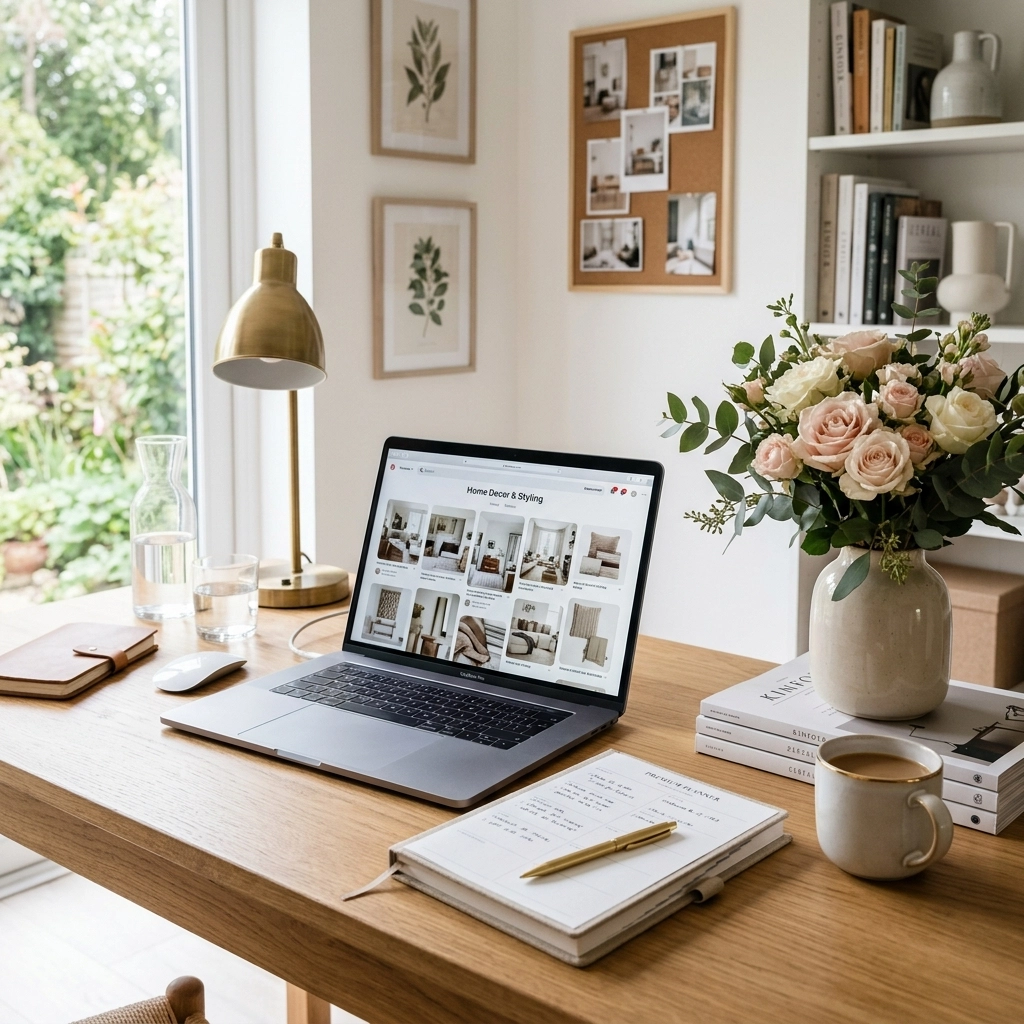
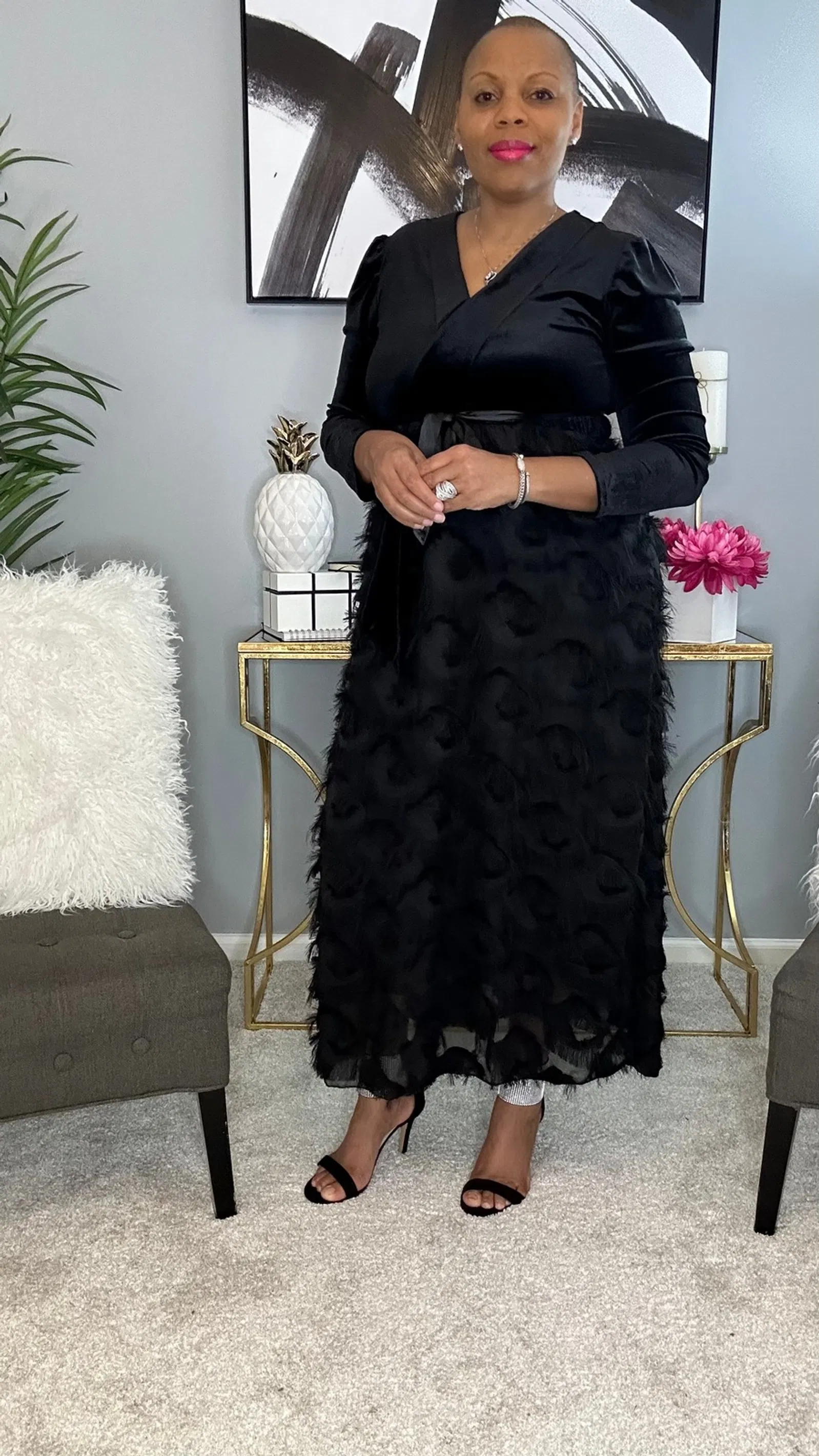
Pinterest is a visual-first platform. If your imagery is cluttered, dark, or generic, users will scroll right past it. To align with our "Lived-In Luxury" brand, your pins need to look elevated yet attainable.
- Use the 2:3 Ratio: This is non-negotiable. Standard Pinterest dimensions are 1000 x 1500 pixels. Vertical pins take up more real estate on the screen, giving you a better chance to stop the scroll.
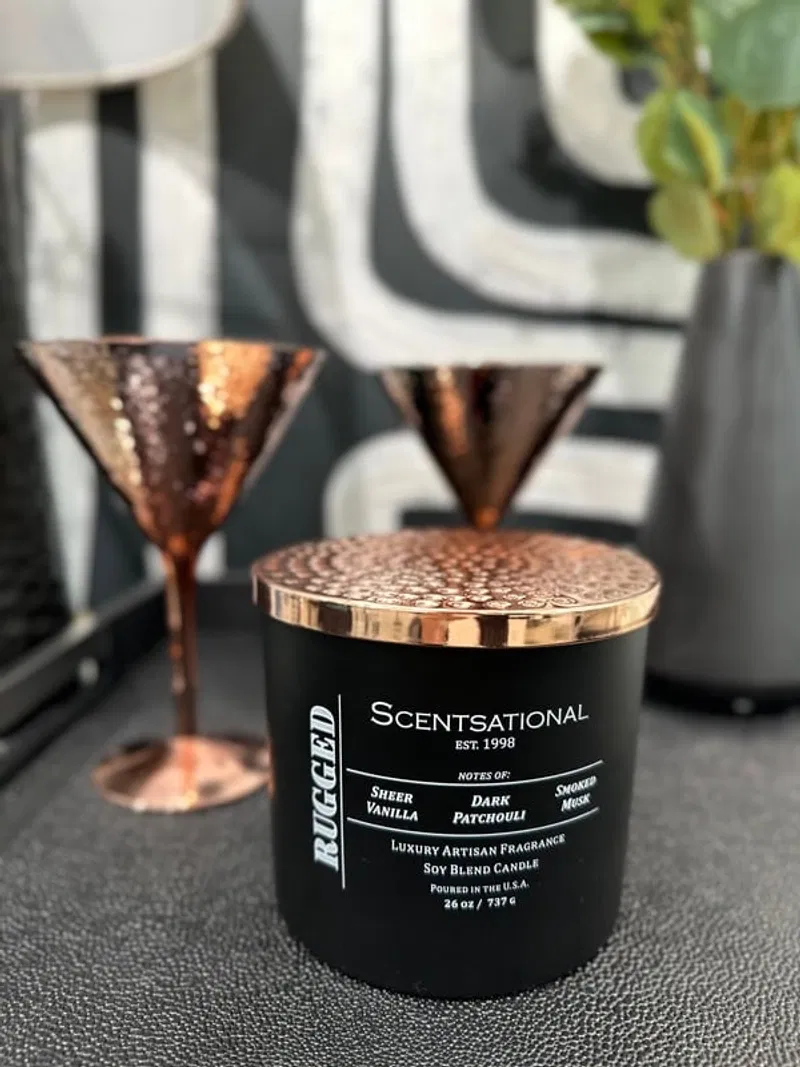
- Create Text Overlays that Solve Problems: Don't just show a picture of a candle. Use text like "The Only $20 Candle That Actually Makes Your House Smell Like a 5-Star Hotel."
- Show, Don't Just Tell: Use lifestyle images that show products in a real-world setting. A product on a white background is boring. A product styled on a textured black tray with copper accents tells a story of an elevated lifestyle.
Step 2: Master Pinterest SEO (Keywords are Everything)
Because Pinterest is a search engine, your "Pinterest Marketing" strategy is actually an SEO strategy. You need to tell the Pinterest algorithm exactly what your content is about so it can show it to the right people.
Keyword Research
Don't guess what people are searching for. Use the Pinterest search bar. Type in "Amazon Home" and see what the auto-suggest says. "Amazon Home finds," "Amazon Home decor aesthetic," "Amazon Home organization." Those are your keywords.
Board Strategy
Create at least 20 boards that are specific to your niche. Instead of one board called "Shopping," create boards like:
- Lived-In Luxury Living Room Decor
- Neutral Home Office Inspiration
- Amazon Fashion Must-Haves for Women 40+
- Modern Minimalist Kitchen Organization
Each board should have a description packed with keywords. This helps your pins rank higher in search results and keeps your profile organized for your sitemap.
Step 3: Use Video Pins to Fast-Track Growth
In 2026, Pinterest is leaning heavily into video. Video pins are currently the fastest way to build traffic and visibility. They act like a commercial for your storefront.
- Keep it Short: 15 to 30 seconds is the sweet spot.
- The First 3 Seconds Matter: Show the transformation or the most beautiful shot first to hook the viewer.
- Repurpose Your Content: Take those Amazon shoppable videos or TikToks, remove the watermarks, and upload them as Video Pins.
- Link Directly: Ensure every video pin has a direct link to your Storefront or a specific curated list.
Step 4: The Power of Analytics and Data
If you aren't looking at your analytics, you’re just throwing spaghetti at the wall. You need to know what is actually converting.
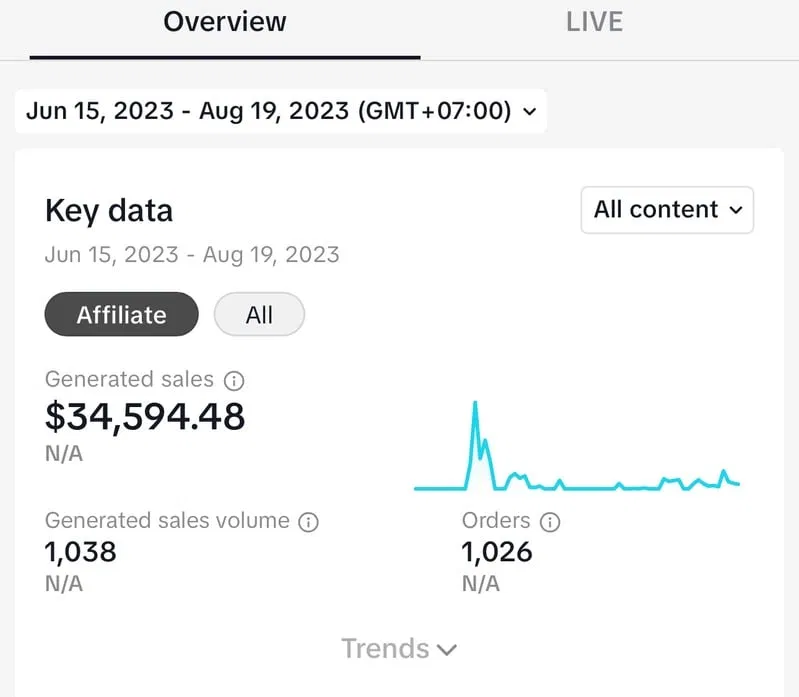
Check your Pinterest Business Hub to see which pins have the highest "Outbound Click" rate. Impressions are a vanity metric; clicks are what pay the bills. When you see a specific style of pin or a specific product category taking off, double down on it.
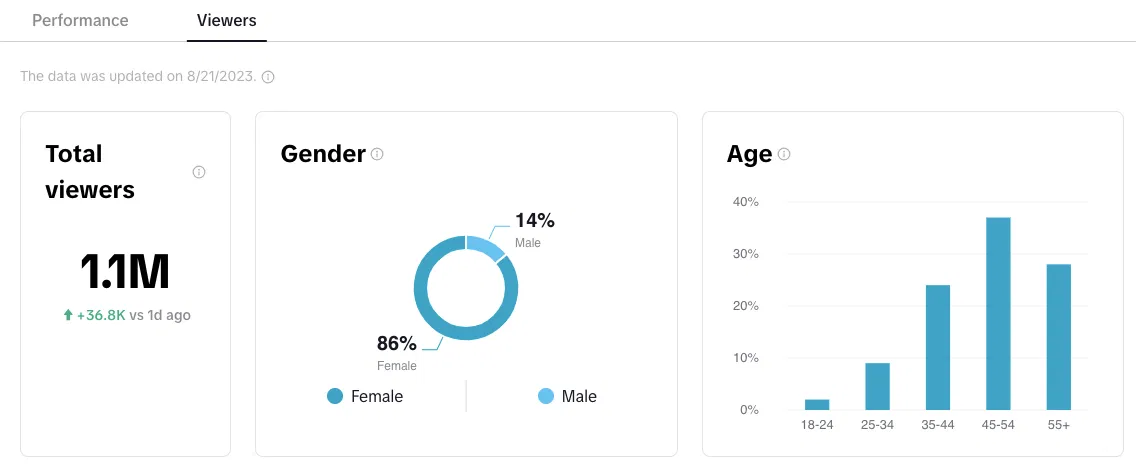
Look at your demographics. If 86% of your audience is female and aged 45-54, stop pinning Gen-Z festival outfits. Start pinning high-quality home systems, organizational tools, and sophisticated fashion. Target the audience you actually have, not the one you think you want.
Step 5: Bridging the Gap to Revenue
Getting a click on Pinterest is half the battle. The second half is ensuring that the link goes somewhere that converts.
Don't just send everyone to your general Amazon Storefront homepage. Send them to a specific curated idea list that matches the pin. If they clicked on a pin about "Modern Bathroom Essentials," the link should take them directly to your Bathroom Essentials list.
This friction-less experience is what turns a casual pinner into a buyer.
The Daily Workflow for 24/7 Traffic
Consistency is the "secret sauce" that everyone ignores because it’s boring. You can’t pin 50 things on a Sunday and then go dark for two weeks. The algorithm favors fresh content and consistent activity.
- Schedule Your Pins: Use the native Pinterest scheduler or a tool like Tailwind. Aim for 20-30 pins per day.
- The 50/50 Split: Pin your own content 50% of the time, and curate other high-quality content that fits your aesthetic for the other 50%. This builds your authority as a tastemaker, not just a salesperson.
- Update Your Links: Periodically check your top-performing pins. If a product goes out of stock on Amazon, update your storefront or the link on the pin to a similar item. Don't waste high-intent traffic on a "404 Not Found" page.
- Use Rich Pins: Enable Rich Pins on your website. This automatically pulls metadata (like your blog post title and description) into the pin, making it look more professional and improving your search ranking.
Stop Scrolling, Start Pinning
Pinterest is the only platform where your content’s shelf life is measured in months and years, not minutes and hours. By building a keyword-rich, visually stunning Pinterest presence, you are creating a 24/7 traffic machine that feeds your authority hub.
Start today. Pick five of your best Amazon finds, create 2:3 vertical pins for them, and use the Pinterest Trends tool to find the right keywords. The traffic is there, waiting for someone to show them what to buy. It might as well be you.
Do this now: Create your first "Lived-In Luxury" board, add ten high-quality pins, and watch the analytics start to move. Success in influencer marketing isn't about working harder; it's about making your content work harder for you.