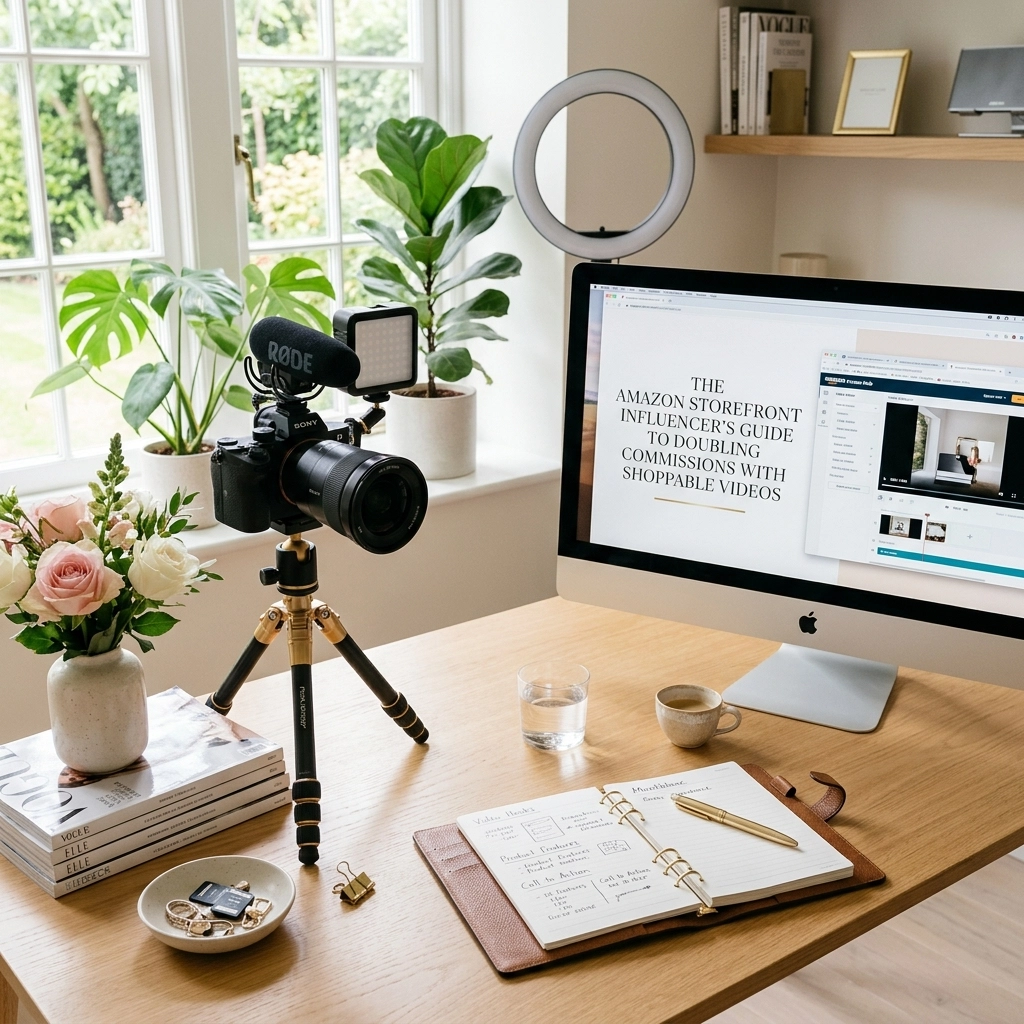
The Amazon Storefront Influencer’s Guide to Doubling Commissions with Shoppable Videos
If you’ve been treating your Amazon Storefront like a digital scrapbook, you are leaving significant money on the table. For many creators, the struggle is real: you spend hours curating "Amazon finds," sharing links on your Instagram stories, and organized your Idea Lists to perfection, yet the commission checks remain stagnant.
The problem isn't your taste; it’s your delivery. Static images and link-in-bio strategies are no longer enough to stop the scroll. The solution lies in a high-impact, low-friction medium: Shoppable Videos. By leveraging Amazon’s internal traffic through on-site video placements, you can move from passive affiliate to a high-earning Amazon Storefront influencer.
The Problem: The "Link-in-Bio" Ceiling
Most influencers rely on external traffic: sending followers from TikTok or Instagram to a landing page. This creates a multi-step hurdle for the consumer. Every click is an opportunity for a customer to drop off. Furthermore, external traffic relies on your ability to beat ever-changing social media algorithms.
The solution is to meet the customer where they are already spending money: on the Amazon product page itself. Amazon Shoppable Videos allow your content to appear directly on the listing of the product you are reviewing. This captures "high-intent" buyers: people who are already on the page, credit card in hand, looking for a reason to click "Add to Cart."

Step 1: Master the On-Site Commission Approval
Before you can start earning the big bucks, you must unlock on-site commissions. This is a separate hurdle from joining the Amazon Influencer Program.
To get approved, you must upload three "test" videos to your storefront. These are reviewed by real humans at Amazon to ensure they meet quality standards. You only get three attempts at this process. If you fail all three, you are locked out of on-site commissions indefinitely.
How to get approved on your first try:
- Prioritize Lighting and Audio: Do not film in a dark room or use echoing audio. Clear, crisp visuals are non-negotiable.
- Avoid Pricing and Promotions: Never mention price, shipping speed (like "Prime 2-day shipping"), or time-sensitive deals. Prices change; your video should be evergreen.
- No Barcodes or Personal Info: Ensure no shipping labels or barcodes are visible in the background.
- Keep it Honest: Amazon values authentic reviews over "salesy" commercials.
Step 2: Winning the Carousel Game
Once approved, your goal is "placement." Amazon features videos in two primary locations: the Top Carousel (near the main product images) and the Bottom Carousel (near the reviews).
The Top Carousel is the gold mine. It receives the highest visibility and the highest click-through rate. To secure this spot, your video needs to be high-quality and high-retention.
Pro-Tip: Multi-Angle Strategy
Don’t just film one video for a product. Create a "first impressions" video, a "30-day update" video, and a "how-to" demonstration. Amazon often cycles through different videos. By having multiple entries for the same product, you increase the mathematical probability of holding a spot in that coveted Top Carousel.
Step 3: Use the "Problem-Solution" Framework
The most successful shoppable videos aren't just "hauls." They are solutions. If you are sharing home organization ideas, don’t just show the clear plastic bins. Show the "before" (the messy cabinet) and the "after" (the organized system).
The 60-Second Conversion Framework:
- 0-5 Seconds (The Hook): Address a specific pain point. "If your pantry looks like a tornado hit it, you need these stackable bins."
- 5-20 Seconds (The Feature): Show the product in action. Demonstrate the sturdiness of the hinge or the clarity of the plastic.
- 20-45 Seconds (The Value): Explain how it changed your daily routine. "I can finally see my spices without digging for ten minutes."
- 45-60 Seconds (The Call to Action): Direct them to the product link below the video.
Step 4: Focus on Daily Essentials
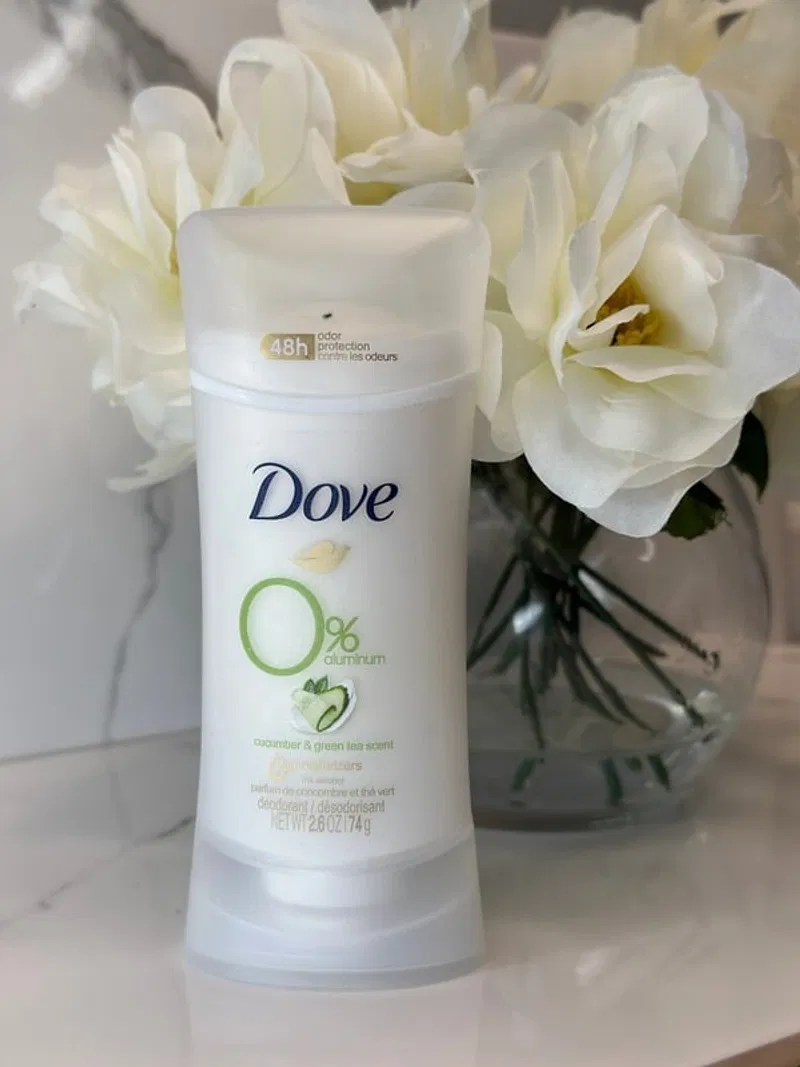
While high-ticket items like furniture offer larger commissions, daily essentials drive volume. Products like the Dove deodorant shown above are "repeat buy" items. When you create content around products people use every single day, you tap into a consistent stream of commissions. These items are often added to "Subscribe & Save" orders, and while you may not get the recurring commission for life, the initial conversion is much easier to secure because the price point is low and the need is high.
Step 5: Quantify Your Success
Stop guessing what works and start looking at the data. Successful influencers treat their storefront like a business.

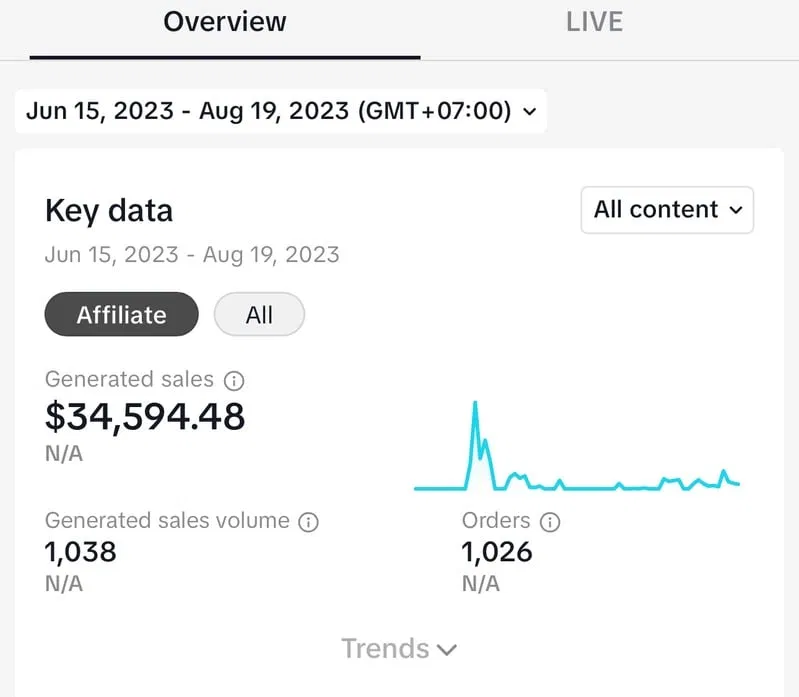
When you analyze your metrics, look for "Sales Volume" vs. "Ordered Units." If you see a high number of orders but low sales volume, you are likely converting small items but missing the big-ticket opportunities. If you see high clicks but zero sales, your videos aren't answering the customer's final questions.
Look at this real-world snapshot of an affiliate dashboard. Between June and August, a structured approach to shoppable video content and product curation resulted in over $34,000 in generated sales from just over 1,000 orders. This wasn't luck; it was a result of focusing on high-intent products and optimized video placements.
Step 6: Scale with Cross-Platform Traffic
Once your Amazon Storefront is optimized with videos, use your social media channels to drive "warm" traffic.
According to demographic data, the most engaged audience for Amazon Influencers: specifically in the home and lifestyle niche: is women aged 35-44 in the USA and Canada. This demographic values time-saving solutions and "life hacks."

When posting on TikTok or Instagram:
- Don't post the full review. Post a "teaser" of the organization project.
- Use "Amazon Finds" as a keyword. It is a highly searched term that signals intent.
- Direct them to a specific Idea List. Don't just send them to your homepage. Send them to the "Pantry Organization" list or the "Spring Fashion" list to reduce friction.
Final Thoughts: Consistency Over Perfection
The biggest mistake you can make is waiting for a professional studio setup to start filming. Authenticity wins on Amazon. A shopper wants to see how the vacuum works in a real living room, not in a sterile lab.
Grab your phone, find a product you genuinely love, and film a 60-second walkthrough. Start with the "problem" the product solved for you and show the "solution" in action. If you do this daily, you won't just see a spike in your stats: you'll build a sustainable, high-commission business.
Ready to take your influencer business to the next level? Visit Kimberly Millionaire for more strategies on building a profitable, authentic brand.
Action Steps for Today:
- Check your "On-Site Commission" status in the Amazon Influencer Hub.
- Identify three "daily essential" products in your home.
- Film three 60-second reviews using the Problem-Solution lens.
- Upload them and track your placement in the Top Carousel.