
The Digital Content Creator’s Roadmap: Moving from Random Posts to Structured Revenue
Let’s be real: posting for the sake of posting is the fastest way to hit burnout city. If you’re currently stuck in a cycle of "hope-marketing": where you upload a video, cross your fingers for the algorithm to play nice, and pray for a few affiliate sales: we need to talk.
In the world of influencer marketing, there’s a massive difference between a content creator and a content CEO. One is at the mercy of a platform's mood swings; the other owns the system. To build a sustainable, high-revenue business, you have to stop seeing your posts as isolated events and start seeing them as bricks in a larger structure.
This is the roadmap to moving from random chaos to a structured revenue machine that works even when you’re offline.
The "Random Acts of Content" Trap
We’ve all been there. You see a trending audio, you throw together a quick "Amazon Must-Haves" video, and it gets some decent views. But then what? A week later, that traffic dies, the commission pennies stop rolling in, and you’re back at square one, hunting for the next trend.
The problem isn't your content; it's your architecture. Random posts create random results. Structured revenue, on the other hand, comes from building an Authority Hub. This is a central ecosystem where your TikToks, Reels, and Pinterest pins all funnel into a space you control: like ktmillionaire.com.
The Three-Tier Revenue Ladder
To move from "pennies" to "profits," you need to stop relying on a single source of income. Most creators start with affiliate links (and they should!), but a real business scales through a staged monetization approach.
1. Stage One: The Lead Magnet (Building the Foundation)
Before you ask for a sale, you ask for a connection. This is where you offer a "freebie": a checklist, a template, or a curated list of your favorite home finds. By capturing an email address, you stop "renting" your audience from Instagram and start "owning" it.
2. Stage Two: Low-Ticket Proof (The $5–$50 Range)
Once you have an audience that trusts your taste, introduce low-cost digital products. Think organization planners, presets, or a "Master List" of your most-requested Amazon links. This stage turns "viewers" into "customers."
3. Stage Three: High-Ticket Authority (Meaningful Income)
This is where the real scaling happens. We’re talking about brand sponsorships, productized services, or high-value workshops. Because you’ve built a track record of authority through your hub, you can command premium prices.
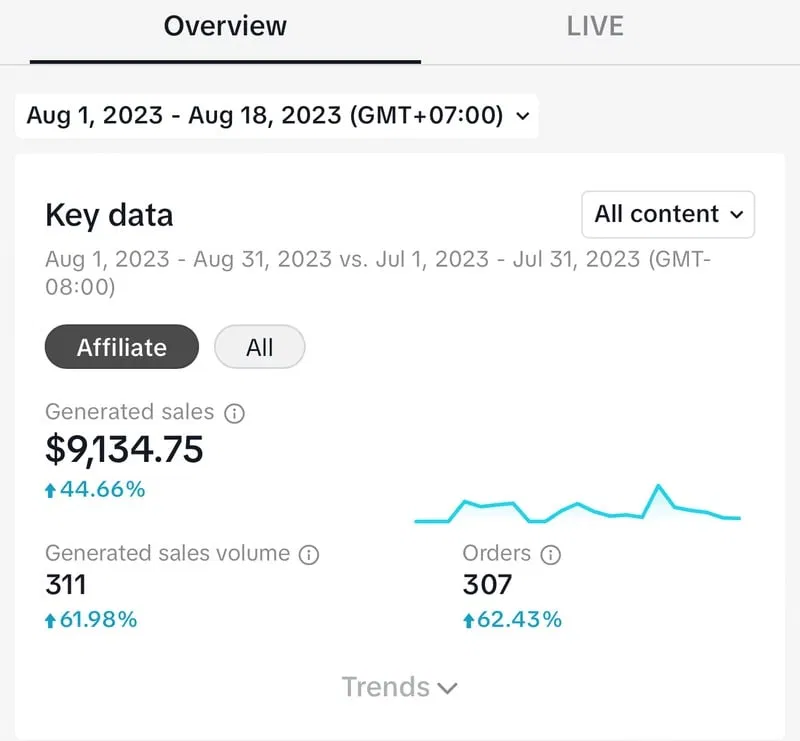
Visual proof: Moving toward structured content isn't just about "vibes": it's about seeing metrics like these climb consistently because you've systemized your output.
Step 1: Audit Your Current Output
Look at your last 10 posts. Do they have a common thread? If someone looked at your profile, would they know exactly what problem you solve?
In the influencer marketing space, "niche" is a dirty word to some, but "authority" is universal. Whether you’re focusing on "Lived-In Luxury" or "Efficiency for Busy Moms," every piece of content should serve one of three purposes:
- Discovery: Bringing new eyes to the brand.
- Nurture: Showing your personality and building trust.
- Conversion: Directly asking for the click or the sale.
If 100% of your posts are just conversion (salesy), people tune out. If 100% are discovery, your bank account stays empty. Aim for a 20/60/20 split.
Step 2: Establish Your Authority Hub
Your social media profiles are your storefront windows, but your website is the actual store. You need a place where your best recommendations live forever, categorized and searchable.
This is why we focus so heavily on the Amazon Influencer Program. It allows you to curate shoppable lists that don't disappear after 24 hours. When you pair an Amazon Storefront with a dedicated blog or "hub," you create a SEO-friendly powerhouse. People searching for "modern bathroom organization" in 2027 should be able to find a post you wrote today.

A professional yet casual workspace is where the strategy happens. It's not just about filming; it's about the backend systems that keep the lights on.
Step 3: Data-Driven Decision Making
Stop guessing what your audience wants. The data is already there. Check your analytics to see which products are actually being bought: not just which videos are being watched. Often, the "viral" video has a lower conversion rate than the quiet, helpful tutorial that answers a specific question.
Use your dashboard metrics to guide your content calendar. If your "Kitchen Organization" posts are driving 60% of your revenue, stop trying to force "Fashion Hauls" just because they’re trendy. Double down on what pays.
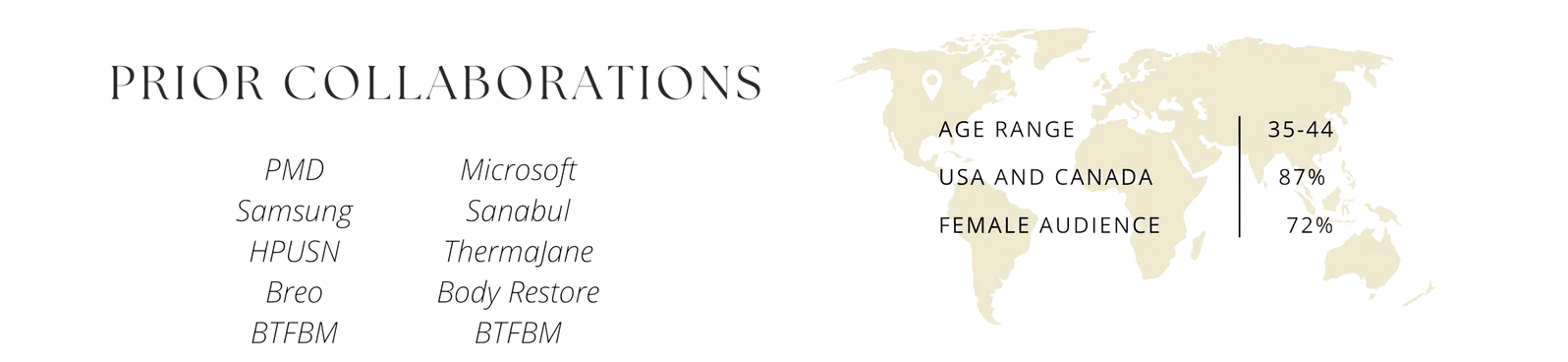
Understanding exactly who is watching: their age, their location, and their interests: allows you to curate deals that actually resonate, rather than throwing spaghetti at the wall.
Step 4: Systemize the Workflow
If it takes you eight hours to produce one 60-second video, you don't have a business; you have a very stressful hobby. To move to structured revenue, you need a content factory mindset:
- Batch Filming: Spend one day a week filming everything.
- Repurposing: One Amazon Shoppable Video can become a TikTok, a Pinterest Idea Pin, and a featured video on your blog.
- Automation: Use tools to schedule your posts and your email newsletters.
By spending less time on the act of posting, you free up time for the strategy of earning.
Step 5: The "Lived-In Luxury" Brand Standard
Authenticity is your greatest asset. In 2026, people are tired of "over-produced" and "perfect." They want "real" and "reliable." Your brand tone should be professional enough to attract high-end brand deals, but casual enough that your audience feels like they’re getting advice from a savvy friend.
Stand in your power. Wear the dress, sit in the chic office, but keep the advice grounded and actionable.

The Final Shift: From Reach to Revenue
Don't chase the million-follower mark. Chase the 5,000 highly-engaged fans who trust every single thing you recommend. A smaller, dedicated audience that visits your hub regularly is worth significantly more than a million passive scrollers who don't know your name.
Structured revenue is about longevity. It’s about building a brand that survives the next algorithm update or the next platform shutdown. When you own the destination (your hub) and provide consistent value (your content), the revenue becomes the inevitable byproduct of your authority.
Your 24-Hour Action Plan:
- Stop Posting Randomly: If a post doesn't serve Discovery, Nurture, or Conversion, don't post it.
- Claim Your Ground: If you haven't set up your central hub yet, make that your #1 priority this week.
- Review the Numbers: Look at your Amazon or Affiliate dashboard. Identify your top 3 performing categories and plan 5 content pieces for each.
Ready to turn your content into a career? Let’s stop playing small and start building the empire. Check out our full resource list at ktmillionaire.com/sitemap.xml to find the exact guides you need to level up.
Do the work. Build the system. Own the results.