Beyond the Aesthetic: Why Practical Product Demonstrations Win Every Time
We’ve all seen them. Those perfectly curated, silent, slow-motion videos of a hand pouring coffee into a glass that looks like it belongs in a museum. The lighting is pristine, the background is a minimalist’s fever dream, and the vibes are immaculate. It looks beautiful. It’s "aesthetic."
But does it actually make you want to click "Add to Cart"?
If you’re just looking for wallpaper inspiration, sure. But if you’re a content creator looking to build a sustainable revenue stream through shoppable videos and home product demonstrations, you need to stop chasing the "pretty" and start chasing the "practical."
The truth is, aesthetic content is a sugar high. It looks good for a second, but it doesn't sustain a business. If you want to turn your Amazon Storefront into an authority hub, you need to show people how products solve their actual, messy, non-minimalist problems.
The Aesthetic Trap: Why Polish Can Kill Profit
The "Aesthetic Trap" is real. Creators spend four hours setting up a single shot of a candle burning. They edit out every "imperfection." They add a trendy Lo-Fi beat. And then they wonder why the video got 50,000 views but exactly zero sales.
The reason is simple: your audience isn't stupid. They know that life doesn’t look like a 15-second reel. When a video is too polished, it triggers a "this is a commercial" alarm in the viewer’s brain. They stop trusting the recommendation because it feels staged.
Practical demonstrations, on the other hand, build a bridge of trust. When you show a product in a "lived-in" environment, you aren't just selling an item; you’re selling a solution.
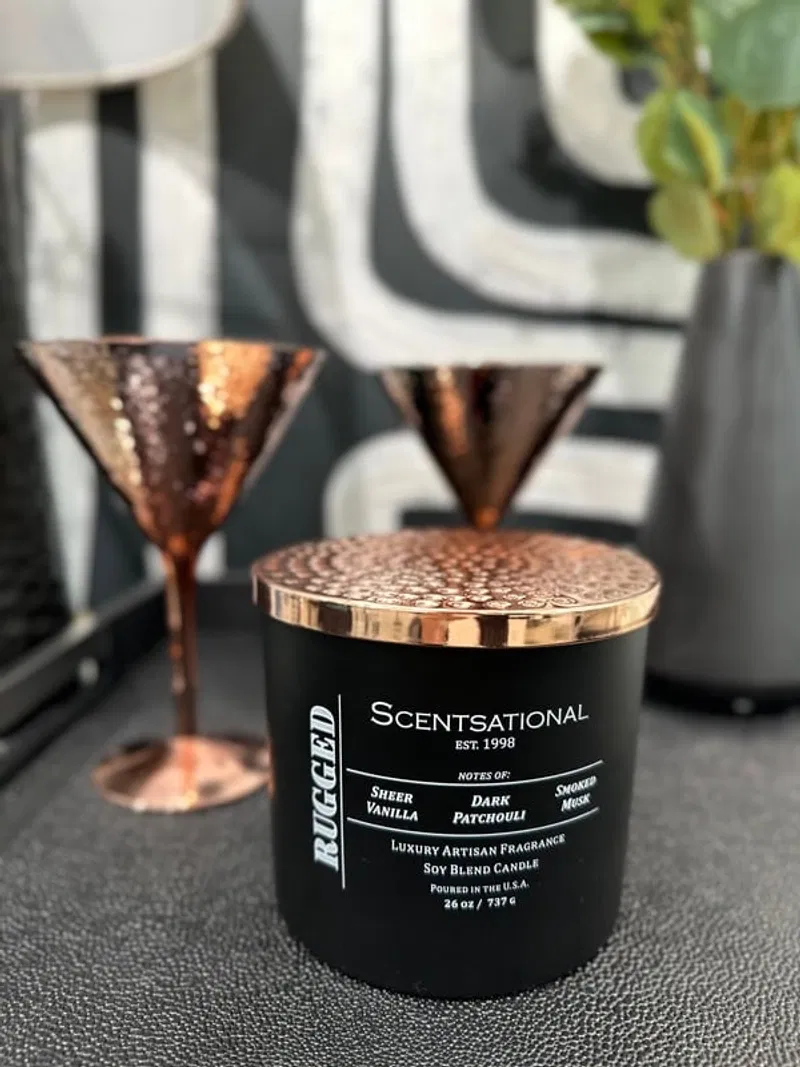
Take this setup for example. It’s styled, yes, but it’s grounded. It looks like it actually sits on a coffee table in a real home. It’s not floating in a white void. This is the "Lived-In Luxury" vibe we aim for: it’s elevated but entirely attainable.
The Science of the "Process"
Research shows that process-focused product demonstrations significantly outperform outcome-only approaches. Why? Because viewers need to understand the how before they commit to the buy.
When you show a "before and after" photo of a clean floor, you’ve shown the outcome. But when you film a 60-second video of yourself actually maneuvering a vacuum around a chair leg and emptying the bin, you’ve shown the process.
According to data, well-prepared practical demos can increase close rates by 50% or more. This isn't just a hunch; it’s psychology. Practical demos:
- Accelerate Decision-Making: People stop wondering "will this work for me?" because they’ve seen it work for someone else who looks like them.
- Reduce Risk: You’re proving the product delivers on its promises. No smoke and mirrors.
- Personalize the Problem: You can address specific pain points in real-time.
How to Film a "Practical-First" Shoppable Video
If you want to master home product demonstrations, follow this framework. Stop trying to be a cinematographer and start being a consultant.
1. Identify the Pain Point Immediately
Don't start with the product name. Start with the problem. If you’re reviewing a kitchen organizer, start by showing the junk drawer that's making you lose your mind. Relatability is the hook.
2. The "Hands-On" Rule
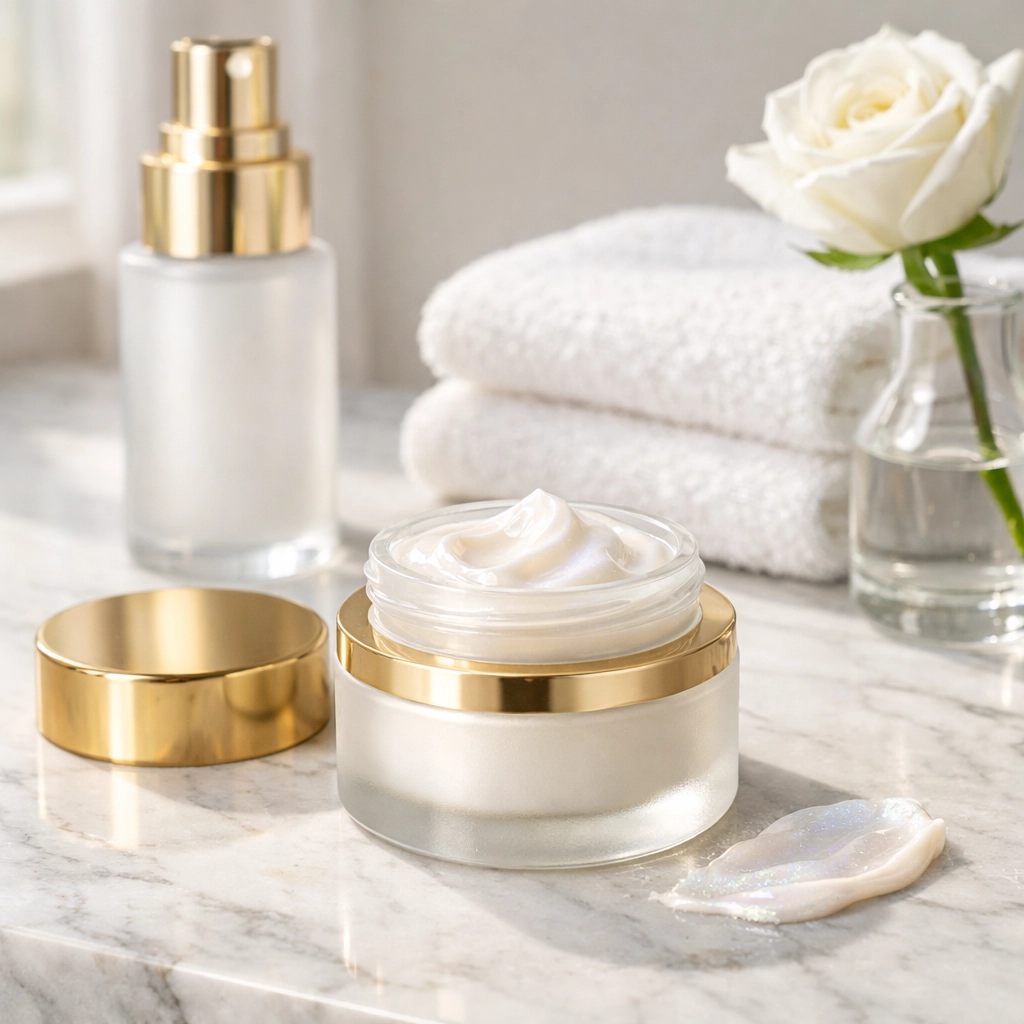
Get your hands in the shot. Don’t just let the product sit there. Use it. Click the buttons. Open the lids. Demonstrate the weight. If it’s a skincare product, show the texture on your skin. People want to feel the product through your fingers.
3. Narrate the "Why," Not Just the "What"
Don't just tell me it's a "great vacuum." Tell me it's the only one that doesn't get hair tangled in the rollers: because you just showed it sucking up a pile of golden retriever fluff.
4. Keep the Background Real
You don't need a studio. Your kitchen counter is fine. Your messy closet is actually better for a demonstration because it provides a realistic context for the product to shine.
Case Study: The Amazon Live Advantage
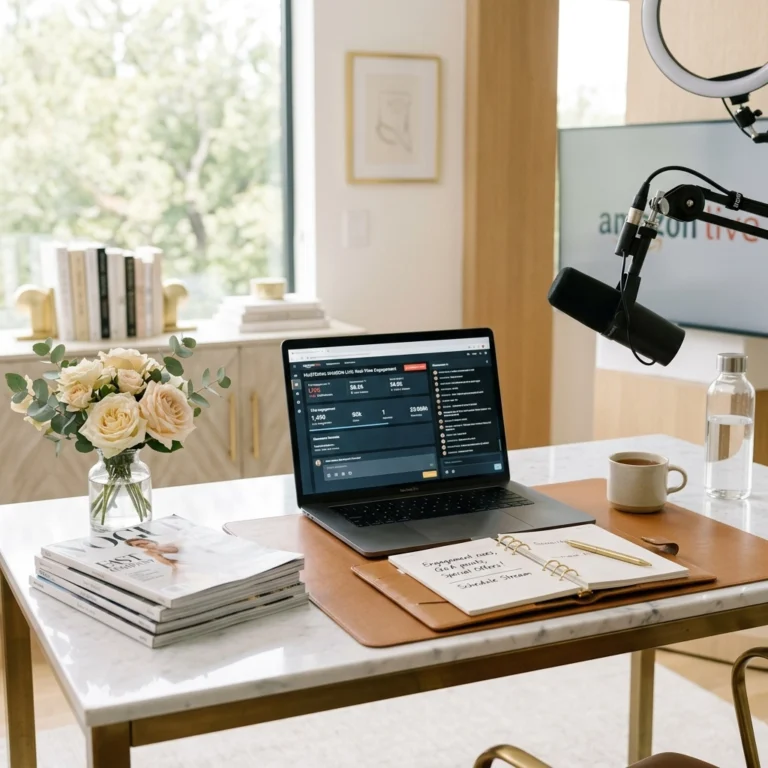
If you really want to see practical demonstrations in action, look at Amazon Live. This is where the "aesthetic" goes to die and "authority" is born.
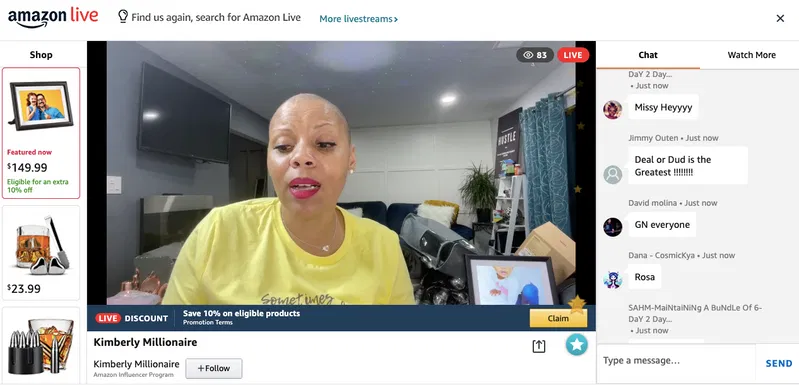
On a live stream, there are no retakes. You are interacting with your audience, answering questions, and showing the product from every angle in real-time. This level of transparency is exactly why Amazon Live is such a powerhouse for conversions. It’s the ultimate practical demonstration.
When you’re live, you can't hide a product's flaws with a filter. You have to be authentic. And in 2026, authenticity is the highest-converting currency.
Small Essentials, Big Impact
Not every demonstration needs to be a $500 appliance. Sometimes the most practical demos are for the things we use every single day.
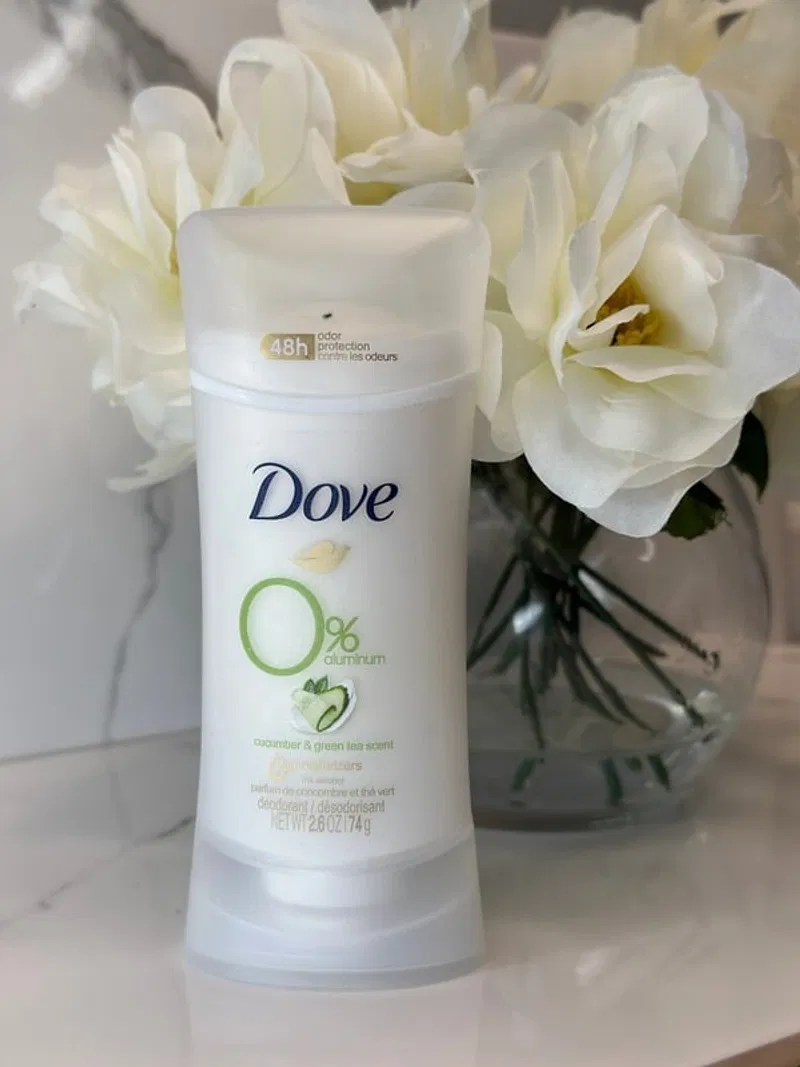
Think about daily essentials. When you demonstrate how a specific deodorant doesn't leave white marks on a black shirt, you’ve just solved a universal problem. It’s not "glamorous," but it’s highly clickable. These are the "bread and butter" items that keep traffic flowing to your Sitemap.
The Checklist for Your Next Shoppable Video
Before you hit "record" on your next video, run through this checklist to ensure you’re leaning into practicality over polish:
- Is there a "messy" element? (Are you showing a real problem?)
- Are your hands visible? (Are you interacting with the product?)
- Are you answering a specific question? (e.g., "Does this fit in a standard cup holder?")
- Is the lighting natural? (Does it look like a real home or a TV set?)
- Is the CTA clear? (Are you telling them where to find the link?)
Stop Aiming for "Perfect"
The "perfect" video is the one that makes someone feel confident enough to spend their hard-earned money. That confidence doesn't come from a lens flare or a perfectly color-graded shot. It comes from seeing a real person use a real product in a real way.
Ditch the ring light once in a while. Film the demonstration in your natural habitat. Show the scratches, the spills, and the real-life applications.
Your conversion rate will thank you.
Ready to turn your content into a conversion machine? Stop overthinking the production and start focusing on the utility. Go grab a product you actually use every day, film yourself using it for 60 seconds, and post it.
The "Lived-In Luxury" brand isn't about being perfect: it's about being the authority people actually trust. Now, go get to work.