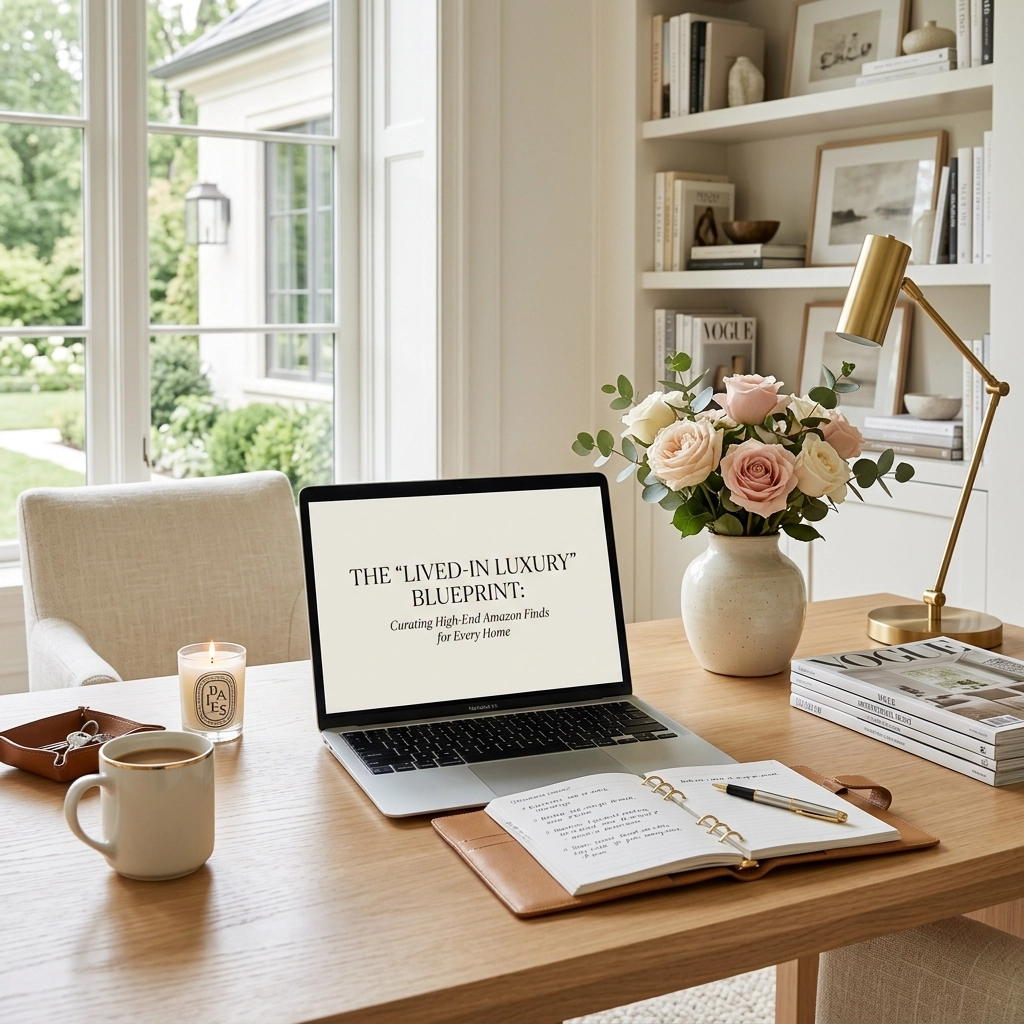
The ‘Lived-In Luxury’ Blueprint: Curating High-End Amazon Finds for Every Home
Let’s be real: nobody actually wants to live in a showroom. You know the ones: where the pillows are so chopped you’re afraid to lean back, and the surfaces are so sterile they feel like a surgical suite. We want the "Vogue" look, but we want to be able to eat a slice of pizza on the sofa without a panic attack.
That is the essence of Lived-In Luxury.
It’s the intersection of high-end aesthetics and actual, messy, beautiful human life. As an influencer, mastering this look isn't just about making your house look pretty for the 'gram; it’s about building a brand that feels both aspirational and attainable. It’s about showing your audience that they can have a sophisticated home without a private interior designer on speed dial.
And the best part? You can source almost the entire vibe through strategic Amazon finds.
The Problem: The "Cheap" Fast-Furniture Trap
Most people hear "Amazon home" and think of flimsy particle-board desks or those generic plastic bins that yellow over time. The problem isn't Amazon; the problem is a lack of curation. If you buy the first thing that pops up under "modern coffee table," you’re going to end up with a house that looks like a dorm room.
The Solution: You have to look for specific materials, weights, and silhouettes. Lived-in luxury relies on the feeling of a piece just as much as the look. We’re looking for stone, solid wood, heavy linens, and organic shapes that look like they were found in a boutique in Copenhagen, not a warehouse in Jersey.

Rule #1: Texture is Your Best Friend
If your room feels "flat," it’s probably because everything has the same texture. To get that high-end look, you need to layer.
- Boucle and Linen: These are non-negotiable. A boucle accent chair or heavy linen curtains instantly add a "custom" feel to a space.
- Natural Stone: Look for travertine-inspired side tables or marble trays. The weight of stone adds an immediate sense of permanence and luxury.
- Warm Woods: Avoid the "grey-wash" wood trend. It’s dated. Go for warm oaks or deep walnuts to bring life into the room.
When you’re browsing for Amazon finds, look for keywords like "solid wood," "heavyweight linen," and "honed marble." These are the markers of quality that translate through a camera lens and in person.
Elevating the Living Room
The living room is the heart of your "Authority Hub." It’s where you’ll film your most engaging content, and it needs to reflect your taste.
Start with the anchor pieces. You don’t need a $5,000 sofa to look expensive. You need a sofa with a clean silhouette and high-quality fabric. Brands like Modway on Amazon offer mid-century and contemporary silhouettes that punch way above their price point.
Once the big pieces are in place, focus on the "sensory layer."
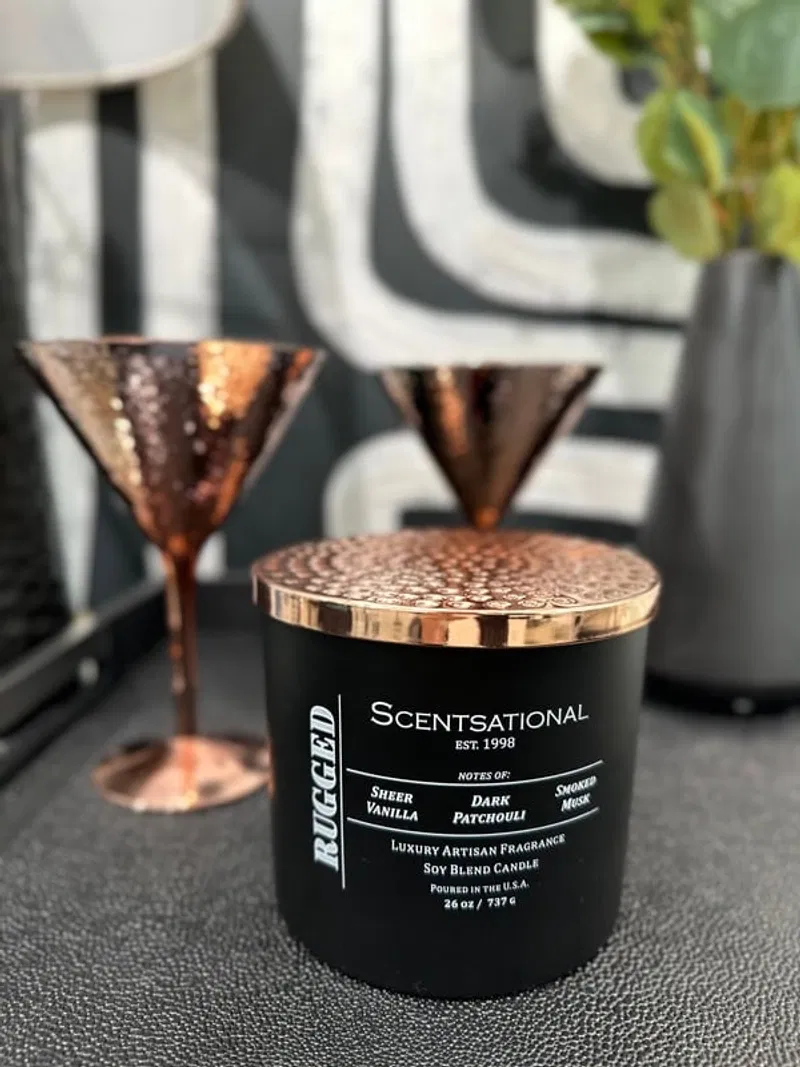
Look at the image above. This is a masterclass in easy home styling. A matte black candle, a textured tray, and some copper accents. It’s simple, it’s masculine-leaning but elegant, and every single item can be found on Amazon for under $50. This is how you curate. You don’t buy a "set"; you collect pieces that tell a story.
Home Organization Ideas that Don't Look Like a Pantry
We’ve all seen the hyper-organized fridges with 400 plastic bins. While that’s satisfying to watch, it’s not always "luxury." True luxury organization is invisible or integrated.
Stop using clear plastic for everything.
Instead, use woven baskets, smoked glass containers, or ceramic jars.
- In the kitchen: Transfer your olive oil into a sleek ceramic cruet.
- In the bathroom: Swap the plastic soap bottle for a heavy glass dispenser with a metal pump.
- In the closet: Use matching velvet hangers. It’s a $25 investment that makes a $200 closet look like a custom walk-in.
These home organization ideas focus on the aesthetic experience of tidying up. When your storage is beautiful, you’re more likely to keep things in their place.
The Authority of Curation
As an influencer, your job is to be a filter. The internet is noisy. Amazon is a literal jungle of millions of products. Your value lies in your ability to say, "Don't buy those 10 things; buy this one thing."
When you post a "Lived-in Luxury" living room reveal, you aren't just selling a rug. You’re selling a lifestyle where order and beauty coexist. This builds massive trust. If your audience sees that your $40 Amazon vase looks like a $400 West Elm piece, they will click every single link you post for the next six months.
Curating Your Workspace
If you’re running a business from home, your office is your cockpit. It should be the most "luxurious" part of your house because it’s where the money is made.
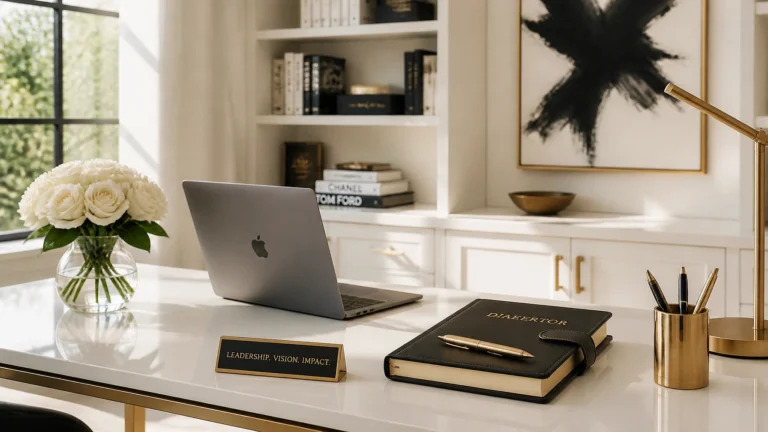
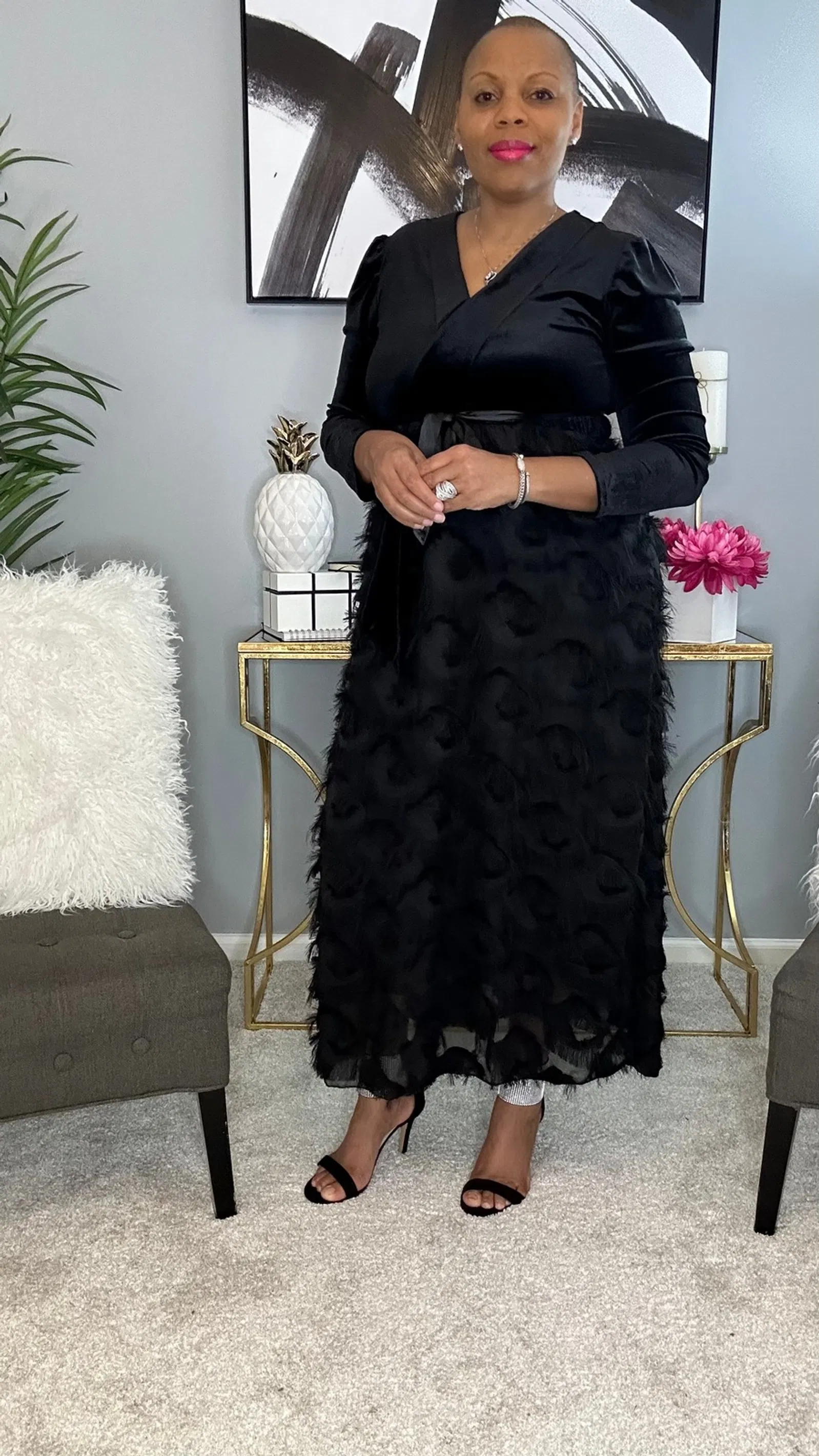
Don't settle for a basic plastic chair. Find an upholstered task chair that supports your back and your brand. Add a gold-framed console table (as seen in the image above) to hold your printer or reference books. Use abstract art to break up the "tech" feel of monitors and wires.
By treating your workspace like a high-end studio, you change your mindset. You start acting like the Director of your own media company: because that’s exactly what you are. For more on the backend systems of this business, check out ktmillionaire.com.
The "Expensive" Search Strategy
How do you actually find the good stuff on Amazon without scrolling for hours? You have to train the algorithm.
- Search by Brand: Look for brands like Stone & Beam, Rivet, and Creative Co-Op. These are Amazon’s in-house and partner brands that focus on design-forward pieces.
- Use "Negative" Keywords: If you want a modern look, search for "minimalist" but avoid "cheap" or "discount."
- Check the Customer Images: Never buy a home item based on the professional render alone. Go straight to the reviews. If the "linen" looks like shiny polyester in a customer’s living room, keep scrolling.
- Follow the "Luxury" Vibe: Look for items with 4.5 stars and above, but read the 4-star reviews. That’s where the honest truth about the "feel" of the fabric or the "weight" of the wood lives.

Building the Hub
Remember, this blog post is part of a larger strategy. We are building an authority hub. Your home content should link back to your organization content, which links back to your storefront.
Every time you mention a product, you are providing a service. You are saving your reader time. You are giving them the confidence to click "Add to Cart" on a piece of furniture they can't touch or feel.
Check our sitemap.xml for a full breakdown of how we categorize these topics to ensure our readers can find exactly what they need, from kitchen styling to office optimization.
Final Thoughts: Start Small
You don’t need to refurnish your entire house this weekend. Lived-in luxury is a marathon, not a sprint.
- Start with one corner.
- Upgrade your lighting. (Swap those "boob lights" for a modern flush mount or a sleek pendant).
- Add a high-quality throw.
- Switch to organic-shaped ceramics.
Luxury isn't about the price tag; it's about the precision of your choices. When you curate with intention, you create a space that doesn't just look good on camera: it feels good to live in. And that, my friend, is the ultimate flex.

Ready to turn your eye for design into a revenue stream? Stop just "posting" and start building a system. Use these tips to elevate your space, then head over to my other guides to learn how to tag, track, and trim your way to influencer success. Let’s get to work!